How to Build a Customized XERF Treatment Plan
A customized XERF treatment plan starts by clarifying what the patient wants to address, rather than choosing a shot count in isolation. XERF uses radiofrequency energy at 6.78 MHz and 2 MHz, and ODE Clinic’s approach uses DEEP MODE to deliver energy to deeper layers. During consultation, the doctor who performs the procedure discusses the patient’s concerns and whether this approach fits the treatment goal. The purpose is to match the treatment design to the individual, not apply one uniform plan to every face. The plan and likely course of change are reviewed before treatment.
Start With the Concern, Not the Device
Facial concerns can involve different areas and tissue changes. A patient may be most concerned about nasolabial folds, sagging around the mouth, a less defined jawline, or a general loss of facial firmness. These concerns do not automatically call for the same treatment design. A consultation helps clarify which area matters most and what kind of change the patient is seeking. Describing the concern in practical terms gives the doctor a clearer basis for discussing whether XERF is appropriate.
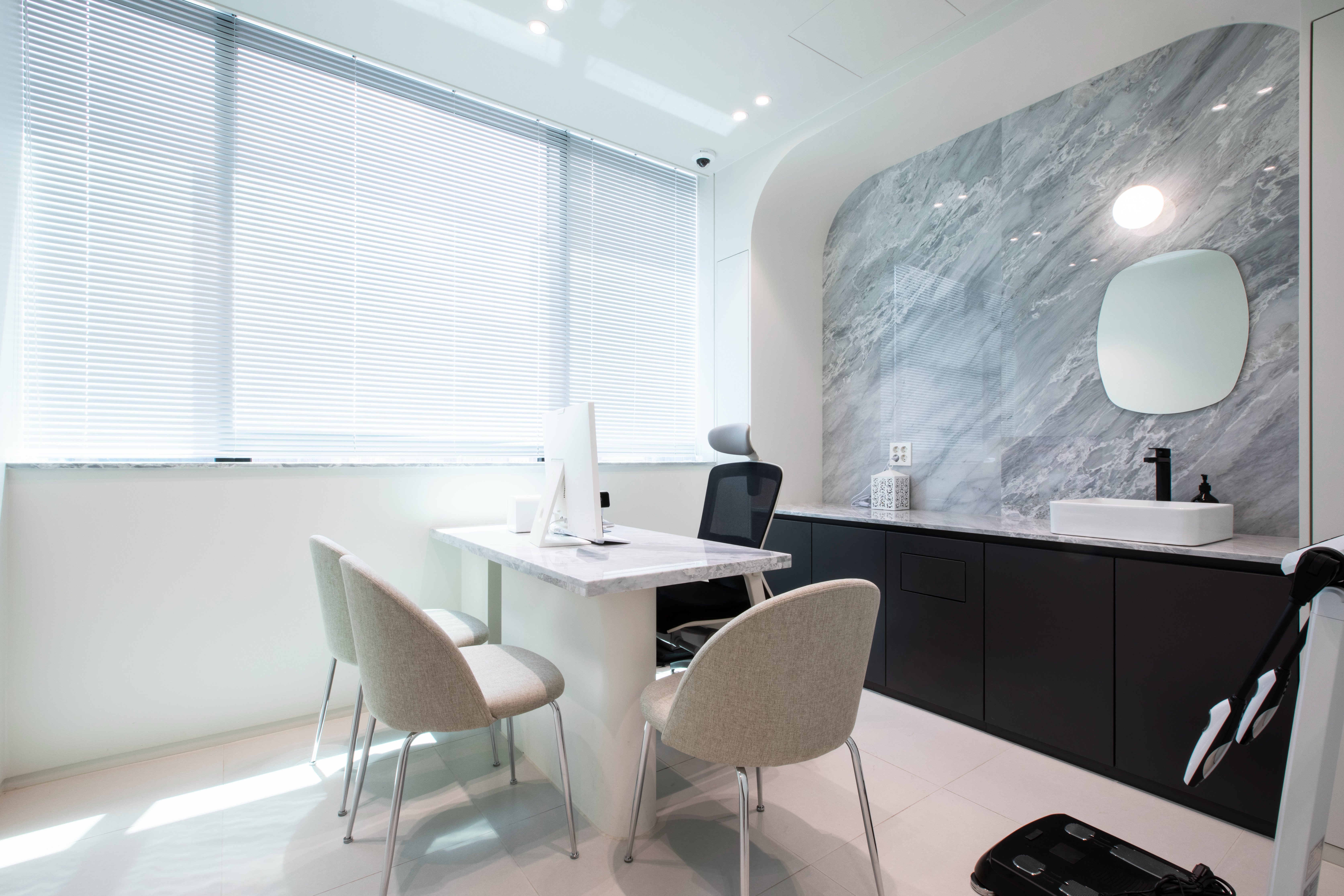
At ODE Clinic, the consultation is conducted by the doctor who performs the procedure. This allows the discussion to move directly from the patient’s goals to the treatment design, without relying only on a preset package. The doctor considers the area of concern and the patient’s priorities before discussing how XERF may fit. If a patient is unsure how to describe the issue, it can help to explain when it is most noticeable, such as in a relaxed expression or along the lower face. The conversation should also cover what the patient hopes to improve and what they would consider a meaningful change. A clear goal supports a more focused, realistic treatment discussion.
XERF planning begins with the concern the patient wants to address, not with a default shot count. A direct consultation gives the doctor and patient a chance to agree on the goal and discuss whether DEEP MODE XERF is a suitable option.
Understand What XERF Is Designed to Address
XERF is a radiofrequency treatment that uses two frequencies, 6.78 MHz and 2 MHz. ODE Clinic uses DEEP MODE, its XERF protocol, to direct energy toward deeper layers, including the SMAS. The treatment is used to address concerns such as facial sagging, nasolabial folds, sagging around the mouth, and a less defined jawline. Understanding the treatment’s intended role helps patients decide whether it aligns with their main concern.
It is useful to distinguish a treatment’s intended focus from a promise about a particular result. XERF is described at ODE Clinic as a lifting approach for concerns involving deeper facial sagging and contour. The doctor can explain how the energy delivery relates to the patient’s specific area of concern, and what the treatment can reasonably address. Individual anatomy and skin condition matter, so a general description cannot establish whether a patient is a suitable candidate. During consultation, patients can ask which areas would be treated, how the plan relates to their goals, and what changes may take time depending on individual condition. This helps keep expectations connected to the treatment itself rather than to a generic before-and-after claim.
Design Around Individual Priorities
Some patients prioritize the lower face, while others are concerned about a broader pattern of facial sagging. The consultation should identify the areas that matter most and establish how the plan will address them. This is also the time to discuss treatment timing, the expected course of change, duration of effects, cost, and potential side effects. These factors belong in the decision alongside the device and treatment design.
Personalization does not mean that every concern can be addressed in one session or that a particular result can be assured. It means that the treatment discussion accounts for individual needs and explains the reasoning behind the proposed approach. ODE Clinic’s medical staff also considers the patient’s feedback and questions as part of that conversation. If the patient has had previous procedures, sharing that history can help the doctor understand the context and discuss a suitable next step. Patients should feel able to ask for clarification before proceeding. A plan is most useful when the patient understands its focus, limits, and follow-up approach.
| Planning point | What to discuss |
|---|---|
| Main concern | The facial area or change the patient wants to address |
| Treatment approach | Whether DEEP MODE XERF aligns with the stated goal |
| Personal priorities | Timing, duration of effects, cost, and potential side effects |
| Follow-up | How changes will be reviewed after treatment |
This checklist helps organize the consultation without turning it into a fixed formula. The doctor can use the discussion to explain the treatment design and its relevance to the patient’s concern. Patients can also use it to note questions in advance, especially if they are comparing treatment goals or have particular timing preferences. A thoughtful plan makes the reasoning behind treatment clear before the procedure begins. The final approach should reflect the individual consultation rather than a general checklist alone.
What Shapes a Customized XERF Treatment Plan at ODE Clinic
A customized XERF treatment plan is shaped by both the technology and the patient’s priorities. XERF combines 6.78 MHz and 2 MHz radiofrequency, while ODE Clinic’s protocol uses DEEP MODE for deeper energy delivery. The clinic’s process includes consultation and treatment design, a re-consultation, a private-room procedure, and customized care. Each stage provides an opportunity to confirm that the agreed plan still reflects the patient’s needs. Discussion includes treatment goals, timing, cost, and potential side effects.
Know the Role of DEEP MODE
DEEP MODE is the XERF protocol used at ODE Clinic. The clinic describes it as a deeper-layer approach that differs from conventional monopolar radiofrequency treatments focused on dermal elasticity. The dual-frequency system operates at 6.78 MHz and 2 MHz, and DEEP MODE takes longer than other modes to deliver energy to deeper layers. This distinction is relevant when discussing the treatment’s intended focus and the time involved.
Patients should not interpret the term “deep” as a guarantee of a certain degree of lift or as evidence that the same settings suit everyone. The treatment design must be discussed in relation to the concern, the area being treated, and the patient’s expectations. During consultation, the doctor can explain why DEEP MODE is being considered and what the patient should understand about the procedure. The clinic also notes that powerful cooling is used to help minimize discomfort and downtime, although the experience can differ between individuals. Asking about the sensation, the treatment duration, and aftercare is a practical way to prepare. Clear explanations make the technical details useful to the patient’s decision.
DEEP MODE is central to ODE Clinic’s XERF approach, but the technology alone does not define an individualized plan. The consultation connects the protocol to the patient’s goals, discusses practical considerations, and confirms the proposed treatment design.
Follow a Consultation-Led Process
ODE Clinic’s care process begins with arrival and a one-on-one consultation and design discussion. A re-consultation follows before the procedure, which takes place in a private room. Customized care and departure complete the process. The doctor who performs the procedure is involved in the consultation across treatment areas, so patients can discuss the plan directly with the person carrying it out. This sequence supports informed discussion before treatment begins.
A consultation-led process gives patients time to explain their priorities and ask questions before proceeding. The re-consultation offers another point to review the agreed design and confirm that the patient understands the procedure. Patients can use this time to revisit the treatment area, discuss the expected course of change, and raise any concerns that remain. During the procedure, the private-room setting supports a focused treatment experience. Afterward, customized care and follow-up discussion help the patient understand what to expect next. It is appropriate to seek clarification whenever a treatment detail is unclear. The aim is not to rush through a device selection, but to make sure the patient understands the plan being considered.
Compare Goals, Timing, and Practical Factors
Treatment recommendations should take account of more than the immediate concern. ODE Clinic’s approach weighs the patient’s needs, the timing of results, duration of effects, cost, and potential side effects. Patients may also have personal timing considerations that are important to discuss during consultation. These practical factors help shape an informed decision alongside the treatment’s intended purpose.
For some patients, the main question is whether XERF matches the type of change they seek. Others may want to understand the treatment timeline or how the procedure fits with their personal schedule. There is no single answer that applies to every patient, and individual results may vary. The doctor can explain the treatment’s purpose and discuss how changes may develop over time, without implying a guaranteed outcome. Patients should also discuss cost before proceeding so that the financial aspect is clear. Considering these points together can make the consultation more productive and help the patient decide whether to move forward with the proposed plan.
For reference, ODE Clinic lists DEEP MODE XERF at ₩1,000,000 for 300 shots. The listed amount excludes VAT. A consultation is the appropriate place to discuss the treatment design and any cost that applies to the individual plan. Patients should confirm the scope of the proposed session before making a decision. Cost is one factor in the plan, not a substitute for assessing whether the treatment suits the patient’s concern.
Preparing for and Following a Customized XERF Treatment Plan
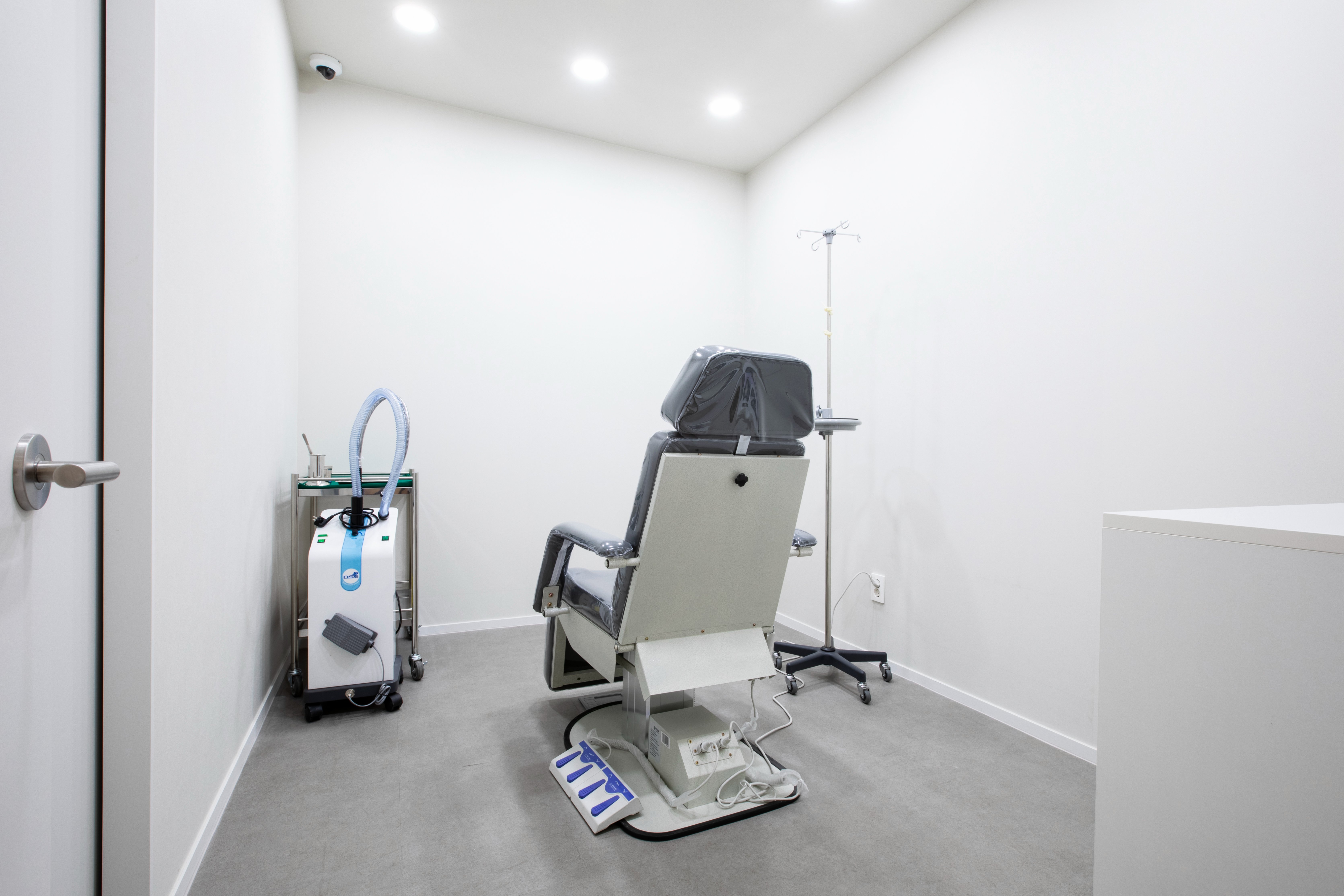
Preparation for a customized XERF treatment plan begins with a clear understanding of the consultation and procedure. Patients should be ready to describe their concerns, discuss relevant treatment history, and ask about the proposed approach. ODE Clinic’s process includes one-on-one design discussion, re-consultation, a procedure in a private room, and customized care. Taking time to review the plan before treatment helps patients make an informed choice. Specific expectations should be discussed with the doctor rather than assumed.
What to Discuss Before the Procedure
Before treatment, explain which areas concern you most and what kind of change you are hoping to address. Share relevant treatment history and ask how DEEP MODE XERF relates to your goals. It is also sensible to discuss the treatment timeline, duration of effects, cost, potential side effects, and what to expect after the session. These questions help turn a general interest in XERF into a more informed discussion.
Patients do not need to arrive with a technical understanding of radiofrequency. A simple description of the concern is a helpful starting point, and the doctor can explain how the treatment approach relates to it. If a patient has more than one concern, identifying the priority can make the discussion more focused. Ask which areas are included in the proposed design and whether the treatment is intended to address the concern described. The doctor can also explain that individual responses differ and that changes may take time depending on individual condition. Good preparation is about sharing relevant information and understanding the plan, not trying to select settings independently.
Preparation is most useful when it helps the patient and doctor reach a shared understanding of the goal and treatment design. Discussing expectations, timing, cost, and potential side effects before the procedure supports a considered decision.
Understand Follow-Up and Individual Variation
Changes after XERF can vary according to individual condition, and the timing of visible change should be discussed during consultation. ODE Clinic uses before-and-after photo comparison with diagnostic imaging as part of its approach to objective review. Follow-up discussion gives patients an opportunity to ask questions and review their progress with the medical staff. Comparisons are more informative when considered alongside the patient’s own treatment goals.
A photograph is one way to review change, but it does not make every result predictable or identical. The doctor can discuss what is being assessed and how it relates to the original concern. Patients should communicate any questions or concerns that arise after the procedure and follow the care guidance provided by the clinic. If a patient is unsure whether a change is expected, a follow-up discussion is preferable to drawing conclusions from general descriptions. Results vary between individuals, and treatment effects should not be assumed to follow a fixed schedule. Ongoing communication keeps the review connected to the patient’s actual experience.
Make an Informed Decision About Treatment
Choosing whether to proceed is a personal decision made after discussing suitability, goals, practical factors, and potential side effects. Patients should feel they understand why DEEP MODE XERF is being considered and what the plan is intended to address. A treatment recommendation is a discussion, not a promise of a specific result. The final decision should reflect the patient’s priorities and the doctor’s assessment.
If the patient’s main concern or expectations change during the discussion, it is reasonable to revisit the plan before treatment. A clear conversation can clarify whether the proposed approach matches the concern or whether another discussion is needed. Patients should also be comfortable with the treatment timing and cost before proceeding. ODE Clinic’s process includes re-consultation before the procedure, giving patients a chance to confirm their understanding. Taking that opportunity can help ensure that consent is based on a clear explanation of the plan.
For a consultation, patients can contact ODE Clinic at +82 2-569-0222 or visit 8F, Gyeongwon Building, 340 Gangnam-daero, Gangnam-gu, Seoul. The clinic’s hours are Monday to Friday, 11:30 AM to 8:30 PM, and Saturday to Sunday, 10:00 AM to 4:00 PM, with no lunch break. Contacting the clinic allows patients to ask about arranging a visit and discuss their concerns with the medical staff. Bring any questions that would help you understand the proposed treatment before making a decision.



Frequently Asked Questions
Q.What kind of clinic is ODE Clinic?
A.ODE Clinic is a dermatology clinic in Seoul offering lifting and tightening, anti-aging, skin booster, body, and area-specific programs. XERF treatment is provided using the clinic’s DEEP MODE approach.
Q.Who may consider XERF treatment at ODE Clinic?
A.Patients concerned about facial sagging, nasolabial folds, sagging around the mouth, or a less defined jawline may discuss XERF with the doctor. Suitability depends on individual needs and is assessed during consultation.
Q.How is a XERF treatment plan developed?
A.The doctor who performs the procedure conducts a one-on-one consultation and discusses the patient’s goals and treatment design. ODE Clinic uses DEEP MODE XERF, which operates with 6.78 MHz and 2 MHz radiofrequency.
Q.What should I know about the cost and preparation?
A.ODE Clinic lists DEEP MODE XERF at ₩1,000,000 for 300 shots, excluding VAT. Before treatment, discuss the proposed plan, cost, timing, and potential side effects with the doctor.
Q.Where is ODE Clinic, and how can I contact it?
A.ODE Clinic is at 8F, Gyeongwon Building, 340 Gangnam-daero, Gangnam-gu, Seoul. Call +82 2-569-0222 to ask about a consultation.
Clinic Information
| Clinic | Ode Clinic |
|---|---|
| Specialty | Dermatology |
| Address | Seoul, Gangnam District, Gangnam-daero, 340 8F |
| Phone | +82 2-569-0222 |
| Website | https://odeclinicseoul.com/en |
 Ode Clinic