How a doctor designed Thermage protocol works
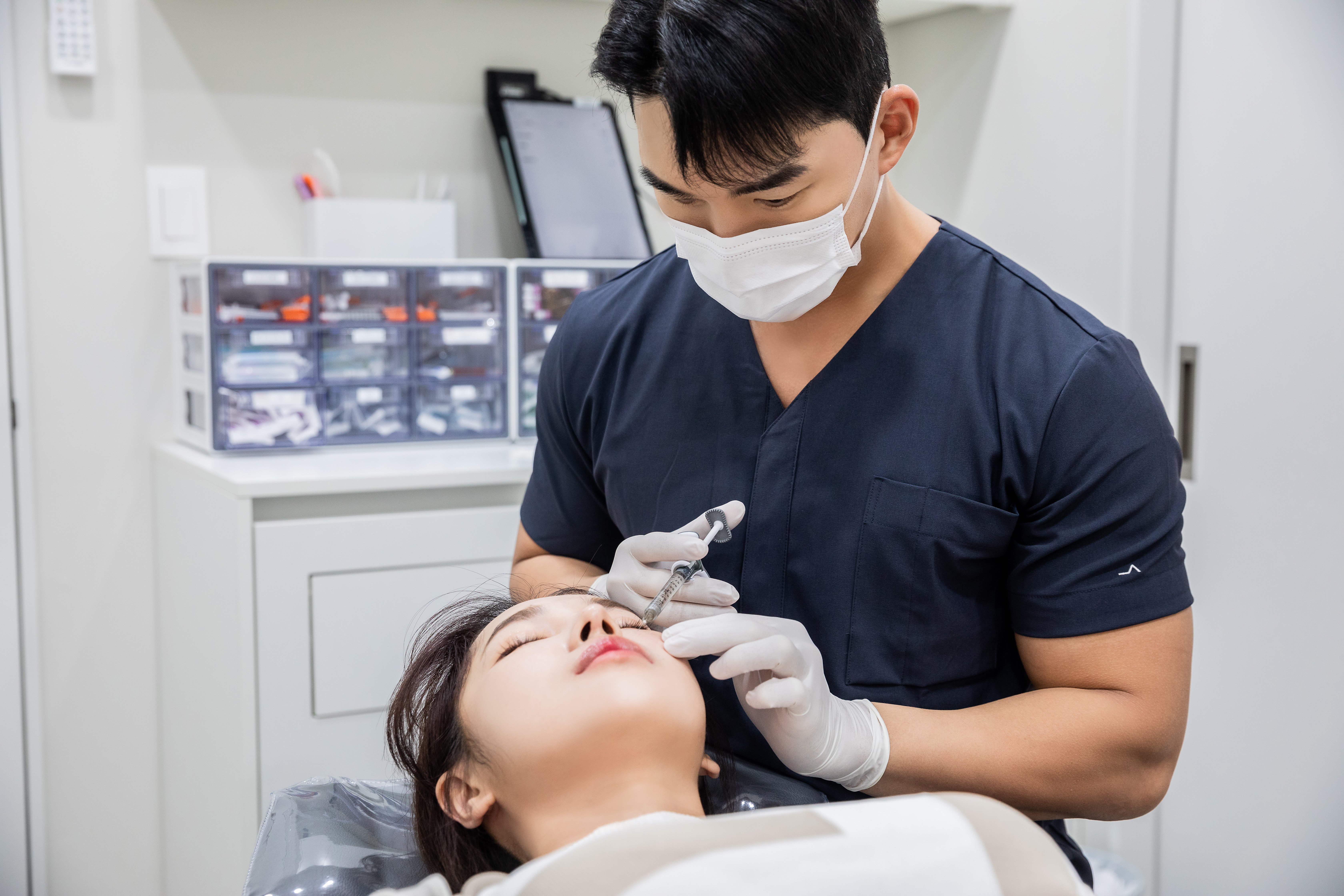
Thermage FLX is a non-surgical radiofrequency treatment intended to improve skin firmness and texture. It delivers energy to the dermis, where heat encourages collagen contraction and remodeling. At Ode Clinic, the protocol starts with a consultation rather than a fixed treatment plan: the doctor considers the patient’s concerns, skin condition, and desired outcome before recommending an approach. The aim is to match the treatment to the concern, not to assume that every patient needs the same procedure.
Understanding radiofrequency tightening
Collagen is a structural protein that contributes to the skin’s firmness. Thermage uses monopolar radiofrequency energy to heat tissue in the dermis, prompting changes in existing collagen and supporting gradual remodeling. The treatment is generally discussed as a tightening option because its intended effect is on skin firmness and texture. Changes can be subtle, and individual responses differ. A consultation helps establish whether the changes a patient hopes to see are consistent with what the treatment is designed to address.
The distinction between tightening and lifting is important when evaluating the potential benefits. Thermage is intended to improve skin elasticity and the appearance of fine lines; it should not be presented as a substitute for a procedure designed primarily to lift sagging tissue. At Ode Clinic, the doctor can consider whether firmness, visible sagging, or loss of volume is the patient’s principal concern. That assessment helps frame a realistic discussion about treatment options. A clear description of the desired change is more useful than choosing a device by name alone. Patients can also explain whether a gradual change suits their preferences and whether they have a particular event or schedule in mind. The doctor can then discuss the expected timing and whether Thermage is an appropriate choice.
Thermage is a tightening treatment that works through radiofrequency energy and collagen remodeling. The most useful starting point is to identify whether skin firmness is the main concern and discuss what degree of change is realistic.
What makes the plan personal
A personalized plan considers more than the name of the device. During consultation, the doctor reviews the areas of concern and assesses factors such as skin thickness, facial volume, and the degree of sagging. The discussion can also cover the patient’s treatment history and expectations. Ode Clinic’s medical staff have clinical experience with lifting treatments, including Thermage, as well as injectable treatments. That experience supports a broader conversation about which type of treatment aligns with the concern being assessed.
Planning also includes deciding how treatment will be distributed across the areas being addressed. The number of shots and the energy used are part of that discussion, rather than figures to select independently without an assessment. Two plans with the same shot count may differ in how shots are allocated and how energy is adjusted across treatment areas. Comfort matters as well: patients should tell the doctor if they are concerned about pain or have had difficulty tolerating a previous procedure. Ode Clinic offers nitrous oxide sedation as an option for Thermage; its suitability can be discussed before treatment. Personalization is a clinical decision made with the patient, not a promise of a particular result.
Who may consider Thermage
Thermage may be worth discussing for patients concerned about declining skin firmness, fine lines, or changes in skin texture. It can also appeal to someone who prefers a non-surgical approach and understands that visible changes may develop gradually. The treatment is not automatically the right choice for every concern. For example, a patient whose main goal is a noticeable change in facial contours should explain that goal during consultation so the doctor can assess whether a tightening treatment is appropriate.
Patients should also share relevant medical information before a treatment decision is made. Tell the doctor about previous procedures, current skin concerns, medical conditions, and any implanted devices. This gives the medical staff context for assessing suitability and discussing precautions. If the skin is irritated or there is an active problem in an intended treatment area, raise it during the assessment rather than assuming treatment should proceed. The final decision should reflect both the examination and the patient’s preferences.
It is helpful to arrive with a short list of priorities. Identify the areas that concern you most, describe when you first noticed the changes, and explain what you would consider a meaningful improvement. Bring details of previous aesthetic treatments if you have them. These points help the doctor distinguish between a concern about skin quality and one about contour or volume, and make the consultation more focused.

Benefits of a doctor designed Thermage protocol
The potential benefit of Thermage is an improvement in skin firmness and texture through collagen remodeling. A doctor-designed protocol adds a structured assessment, an individualized treatment plan, and an opportunity to discuss alternatives before proceeding. At Ode Clinic, recommendations take account of the patient’s needs, expected timing of changes, cost, and potential side effects. The value of the protocol lies in aligning these considerations with a realistic treatment goal.
Firmness and skin texture
Thermage is intended to address skin elasticity and the appearance of fine lines. As collagen remodels, some patients may notice firmer-looking skin or a change in texture. The extent of improvement varies, and a subtle change may be more realistic than a dramatic shift in facial contours. Discussing the intended treatment area and the nature of the concern allows the doctor to explain what Thermage is designed to do before a patient decides whether to proceed.
Expectations are particularly important because skin firmness, facial sagging, and volume loss are related but distinct concerns. A patient may notice more than one at the same time, but a tightening treatment does not necessarily address each concern in the same way. At Ode Clinic, the consultation can include a comparison with other available treatment approaches when appropriate. The doctor can explain whether the proposed plan focuses on skin quality or whether another concern deserves attention first. Patients should feel comfortable asking how an improvement would be assessed and what changes would be outside the expected scope of Thermage. Understanding the treatment’s purpose before the procedure makes the outcome easier to evaluate afterward.
The potential benefits are best understood in relation to the concern being treated. Thermage focuses on skin tightening and texture, while a consultation helps clarify whether those goals match the patient’s priorities.
Gradual change and follow-up
Thermage-related changes develop gradually as collagen remodels. The treatment information describes changes developing over approximately six months, although the timing and degree of change depend on the individual. This gradual course is useful to understand when planning around a personal schedule. Rather than judging the result immediately, patients can discuss an appropriate follow-up with the doctor and compare their concerns with how the treated skin changes over time.
Ode Clinic uses before-and-after diagnostic photography, including two-dimensional and three-dimensional imaging, to support comparisons. Follow-up consultations provide an opportunity to review the treated areas and discuss the patient’s observations alongside the images. Photographs are a tool for assessment, not a guarantee that a particular change will be visible. Patients can help by describing what they notice in everyday life and by identifying any concerns that remain. The doctor can then explain whether the observed changes are consistent with the treatment plan and whether further discussion is appropriate. Changes may take time depending on individual condition.
Points to consider before treatment
Comfort and safety are part of the treatment discussion. Radiofrequency treatment can involve discomfort, and temporary redness, swelling, or a sensation of heat can occur. Burns or blistering are possible but uncommon. Ask the doctor how energy is adjusted during the procedure and discuss any concerns about discomfort in advance. If you develop symptoms that concern you after treatment, contact the medical staff for advice rather than relying on a general aftercare description.
Ode Clinic states that genuine products and precise quantities are used. Patients can ask the doctor how the treatment plan is determined, including the intended shot count and the areas to be treated. The clinic lists Thermage FLX at KRW 2,300,000 for 600 shots and KRW 2,700,000 for 900 shots, excluding value-added tax. The appropriate plan is determined through consultation; a higher shot count should not be assumed to be necessary for everyone.
When comparing treatment plans, look beyond the listed price. Ask what the proposed plan is intended to address, how the shot count was selected, and what follow-up care involves. It is also reasonable to ask about the expected treatment time: the clinic describes a 600-shot Thermage FLX session as taking approximately 35 to 40 minutes. Consultation and other parts of a visit are separate from that procedure time.
The doctor designed Thermage protocol at Ode Clinic
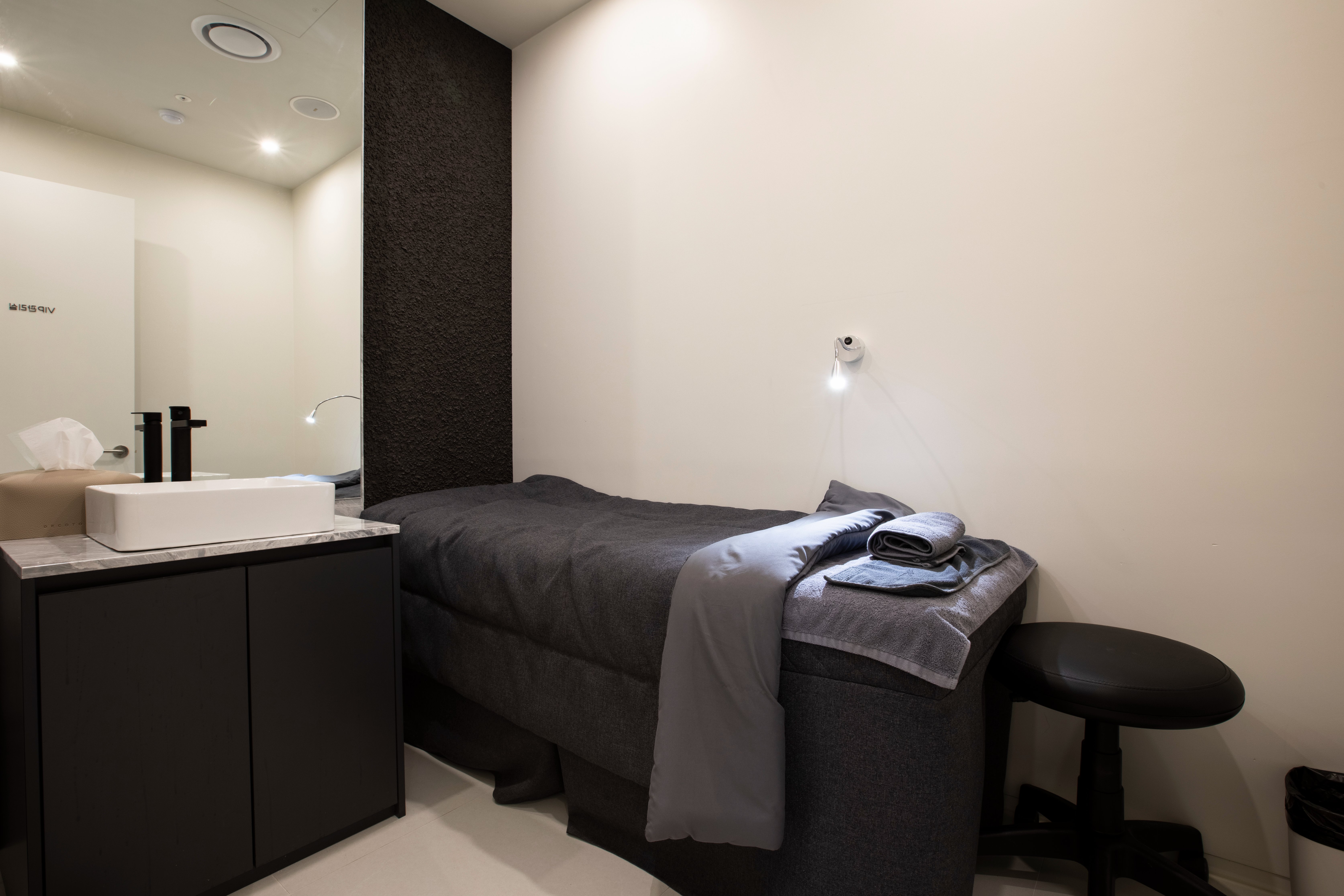
Ode Clinic follows a structured patient journey, beginning with arrival and a one-on-one consultation with the medical director. A follow-up consultation is used to finalize the plan before treatment takes place in a private, single-person room. Personalized post-procedure care follows. This sequence gives patients a chance to discuss their goals, understand the proposed approach, and ask questions before deciding whether to proceed.
Consultation and treatment design
The initial consultation is the time to explain the specific changes you want to address. The medical director discusses the treatment design with you, and a further consultation helps finalize the plan. This process allows the proposed treatment areas and approach to be reviewed before the procedure. Patients can ask why Thermage has been recommended, how it relates to their main concern, and whether another available treatment would address a different aspect of that concern.
A useful consultation should also cover practical expectations. Ask how the plan is expected to address firmness or texture, when changes may become apparent, and how the medical staff will review progress. Explain any previous experience with aesthetic procedures and whether comfort is a particular concern. If you are considering treatment before an event, mention the date so the doctor can discuss timing in the context of gradual collagen remodeling and possible temporary skin reactions. It is reasonable to take time to understand the recommendation before proceeding. The treatment plan should be clear to both the doctor and the patient.
Consultation is the foundation of the protocol: it connects the patient’s goals with the doctor’s assessment and treatment design. A further discussion before the procedure provides an opportunity to confirm the plan and address remaining questions.
From arrival to aftercare
Once the treatment plan is finalized, the procedure is performed in a private room. Personalized post-procedure management follows, and patients return home after the visit is complete. The table below outlines Ode Clinic’s care sequence. It describes the order of the visit rather than promising a fixed treatment duration or result.
| Stage | What happens |
|---|---|
| Arrival | The patient visits Ode Clinic. |
| Consultation and design | The medical director discusses and designs the treatment. |
| Further consultation | The treatment plan is finalized. |
| Procedure | Treatment takes place in a private, single-person room. |
| Customized care | Post-procedure management is personalized. |
| Departure | The patient returns home after the visit. |
Before leaving, make sure you understand the aftercare guidance given for your own treatment. Ask what sensations or skin changes to watch for, how to contact the medical staff if you are concerned, and when a follow-up assessment would be useful. Because treatment plans and individual responses differ, instructions from the attending doctor should guide your care. If photographs are taken for comparison, ask how they will be used during follow-up. This creates a practical reference point for discussing changes as they develop. A follow-up is also a chance to revisit the original goals: whether the concern was skin texture, fine lines, firmness, or a combination of these. The discussion can then focus on what has changed and whether any remaining concern needs a separate assessment.
Questions to ask before booking
Start by asking whether a consultation is appropriate for your main concern and what information you should bring. If you have received a previous skin-tightening treatment, note the procedure and when it took place. You can also ask how the doctor decides between treatment options, what the proposed shot count covers, and how comfort is managed. These questions make it easier to understand the recommendation without assuming that a standard package will suit every patient.
It is equally useful to ask how the clinic assesses change after treatment. Discuss the role of diagnostic photographs, the likely timing of a review, and what to do if a concern arises after the procedure. For patients comparing options, the central question is not simply which device is available, but whether the recommended treatment addresses the issue that matters most to them. A considered decision includes the intended benefit, limitations, cost, and potential reactions.
Thermage can be one part of a discussion about skin firmness, but it does not need to be chosen before the consultation. Bring your questions, describe your priorities, and allow the doctor to assess the treatment areas. A clear plan can then be developed around your condition and preferences, with room to discuss follow-up and any alternative approach that may be more appropriate.



Frequently Asked Questions
Q.What does Ode Clinic offer for skin tightening?
A.Ode Clinic offers Thermage FLX, a radiofrequency treatment intended to improve skin firmness and texture. Treatment planning begins with a one-on-one consultation with the medical director.
Q.Who might consider Thermage at Ode Clinic?
A.Patients concerned about skin firmness, fine lines, or texture may wish to discuss Thermage. The doctor assesses the patient’s concerns and whether the treatment is appropriate.
Q.How is a Thermage treatment plan developed?
A.The medical director discusses the patient’s goals and designs the treatment during consultation. A further consultation finalizes the plan before the procedure in a private room.
Q.When might I notice changes after Thermage?
A.Changes develop gradually as collagen remodels and may continue over approximately six months. Timing and visible changes depend on the individual.
Q.Where is Ode Clinic, and how can I contact it?
A.Ode Clinic is at 8F, 340 Gangnam-daero, Gangnam District, Seoul. For consultation or booking inquiries, call +82 2-569-0222.
Clinic Information
| Clinic | Ode Clinic |
|---|---|
| Specialty | Dermatology |
| Address | Seoul, Gangnam District, Gangnam-daero, 340 8F |
| Phone | +82 2-569-0222 |
| Website | https://odeclinicseoul.com/en |
 Ode Clinic