
How doctor designed XERF treatment works
XERF is a radiofrequency treatment intended to address facial skin laxity and contour concerns. It delivers energy at 6.78 MHz and 2 MHz, producing heat in tissue beneath the skin’s surface. The treatment is designed to reach deeper tissue as well as address firmness. At Ode Clinic, XERF is performed exclusively in DEEP MODE. The treatment plan begins with a consultation with the doctor who will perform the procedure, rather than a standard plan applied to every face.
Radiofrequency energy and tissue heating
Radiofrequency energy produces heat as it passes through tissue. In aesthetic treatment, controlled heating is used to encourage changes in collagen, a structural protein that contributes to skin firmness. Some tissue contraction can occur with heating, while collagen remodeling develops over time. These processes help explain why an assessment immediately after treatment does not necessarily show the full course of change. The amount and timing of visible change depend on the individual and the treatment plan.
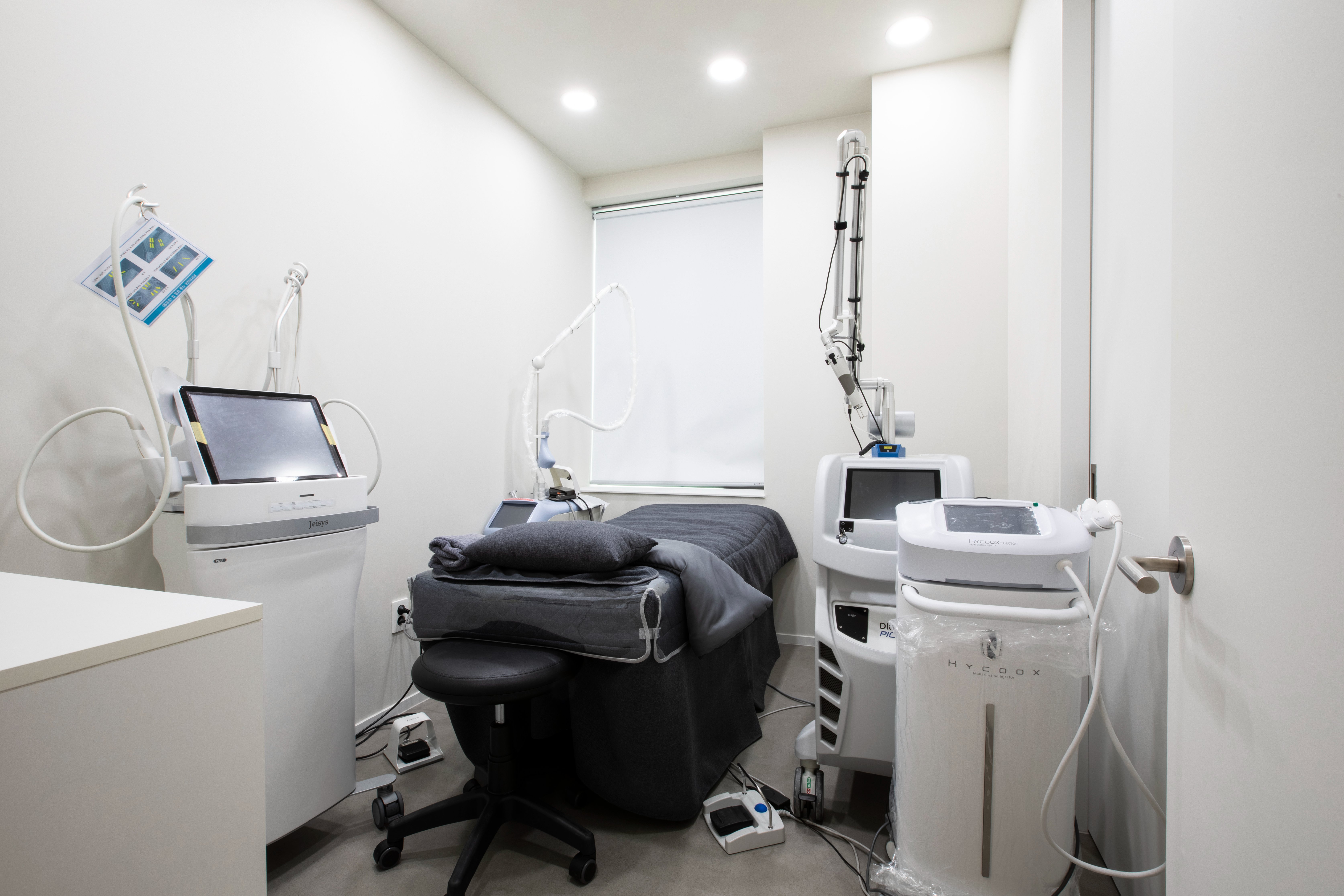
XERF combines two radiofrequency frequencies in one treatment system. Ode Clinic uses DEEP MODE to deliver energy with an emphasis on deeper tissue. The aim is to address concerns such as facial sagging and loss of definition, while also considering skin elasticity. Depth of treatment and degree of visible lifting are not interchangeable: reaching deeper tissue does not mean that every patient will see the same contour change. Skin condition, facial anatomy, and the nature of the concern all matter when discussing what treatment may accomplish. During consultation, the doctor can explain which areas are appropriate to treat and what kind of change is reasonable to look for.
Radiofrequency treatment is based on controlled tissue heating, followed by changes that can continue over time. The useful question is not simply how deep energy reaches, but whether the treatment plan matches the patient’s concern.
What DEEP MODE means
DEEP MODE is the setting used for XERF at Ode Clinic. It is intended to deliver energy to deeper tissue and takes approximately one and a half times as long as other modes. That difference is relevant when planning an appointment, but a longer treatment is not a promise of a better individual outcome. The doctor considers the treatment area and the patient’s needs when designing the session.
Patients often use the words lifting and tightening to describe the same concern, but the distinction is useful. Tightening generally refers to improving the firmness of skin, while lifting describes a change in the appearance of sagging or facial contours. XERF at Ode Clinic is intended to address both elasticity and deeper contour concerns. A patient who notices a softer jawline, for example, may have different priorities from someone whose main concern is skin firmness. A consultation should identify the specific change the patient wants to address before deciding how to use the device. The doctor can also explain the limits of a radiofrequency treatment and discuss whether another approach is more appropriate.
The role of cooling
XERF incorporates cooling during treatment. Cooling helps protect the skin’s surface while radiofrequency energy is delivered and is intended to reduce discomfort. It does not mean that treatment is free of sensation, nor does it remove the need for careful assessment and technique. Patients should tell the doctor if the heat or discomfort feels difficult to tolerate so that the treatment can be assessed as it proceeds.
Comfort also depends on the treatment area and individual sensitivity. Before the session, it is useful to discuss prior reactions to aesthetic treatments, current skin irritation, and any concerns about discomfort. The doctor can explain what to expect and provide instructions suited to the planned procedure. Afterward, patients should follow the clinic’s individualized advice rather than assume that everyone needs the same recovery routine.
| Feature | Role in XERF treatment |
|---|---|
| Dual-frequency radiofrequency | Delivers energy at 6.78 MHz and 2 MHz to heat tissue. |
| DEEP MODE | Emphasizes energy delivery to deeper tissue. |
| Cooling | Helps protect the skin’s surface and reduce discomfort during treatment. |
| Doctor-led consultation | Connects the treatment plan to the patient’s anatomy and concerns. |
The device’s features are only part of the decision. A useful plan also considers where laxity is most noticeable, whether volume loss contributes to the concern, and how the patient feels about the expected course of treatment. Settings and treatment areas should be discussed in the context of an individual assessment. Bringing questions to the consultation helps make the proposed approach easier to understand.
Who may consider doctor designed XERF treatment?
XERF may be considered by people concerned about facial sagging, reduced elasticity, or a less defined jawline. Ode Clinic also discusses treatment for concerns around the mouth and nasolabial folds. These features do not have a single cause: skin laxity, facial volume, and underlying anatomy can all influence appearance. The doctor’s assessment helps distinguish the concern a patient sees from the tissue changes that may be contributing to it.
Matching the treatment to the concern
A patient seeking a firmer skin surface may have a different goal from someone concerned about sagging around the mouth. During consultation, it helps to identify the area that matters most and describe the change noticed over time. The doctor can then assess whether XERF is a suitable option and explain how the proposed treatment relates to that concern. Choosing a treatment by device name alone is less informative than understanding its intended role.
Volume loss is another important consideration. A hollow cheek, for example, is not necessarily the same problem as loose skin over the cheek. Ode Clinic offers volume, lifting and tightening, and skin booster treatments, so the consultation can address the nature of the concern rather than assume that radiofrequency is appropriate for every patient. The doctor may discuss treatment options in relation to the patient’s skin condition, preferences, expected timing of change, and potential risks. A treatment plan should also account for the patient’s overall facial balance rather than focus on an isolated feature. An appropriate recommendation may be to consider a different approach if XERF does not match the patient’s main goal.
Similar-looking concerns can arise from different combinations of laxity and volume loss. An in-person assessment helps determine whether XERF addresses the issue the patient actually wants to treat.
What the doctor considers
At Ode Clinic, the doctor who performs the procedure provides the consultation. The discussion includes the patient’s goals and the condition of the areas being assessed. Skin firmness, facial volume, and the location of sagging can help guide the treatment design. The doctor can also explain the intended treatment areas and answer questions about how the session will be conducted.
Patients can make the consultation more useful by describing previous treatments and how their skin responded. Current medications, relevant medical conditions, implanted devices, and any possibility of pregnancy are also important to discuss before an energy-based procedure. The doctor can review these details alongside the condition of the skin and decide whether treatment should proceed or whether another plan is appropriate. It is equally useful to explain practical priorities, such as the time available for recovery and the degree of change the patient hopes to see. Good treatment design includes an honest conversation about both the intended benefits and the limits of the procedure.
Setting expectations for change
Radiofrequency treatment is intended to stimulate a response to controlled heating, but the visible result is individual. Some patients may notice an early change, while further changes associated with collagen remodeling may take time. The location and degree of laxity also affect what can be observed. A consultation is the right time to ask which changes are realistic for the area being considered.
Ode Clinic uses skin diagnostic photography for before-and-after comparison and discusses changes in follow-up consultations. Images can provide a reference point when changes develop gradually, although photographs should be interpreted alongside the patient’s own experience and the doctor’s assessment. Consistent positioning and lighting are useful when comparing appearance over time.
Expectations should also reflect the difference between a treatment goal and a guaranteed result. XERF is designed for lifting and tightening concerns, but it cannot promise a particular contour or replace every volume treatment. If the desired change involves both looseness and hollowing, the doctor can explain whether the concerns call for different approaches. The decision should remain grounded in the patient’s priorities and assessment.
Planning and recovery for doctor designed XERF treatment
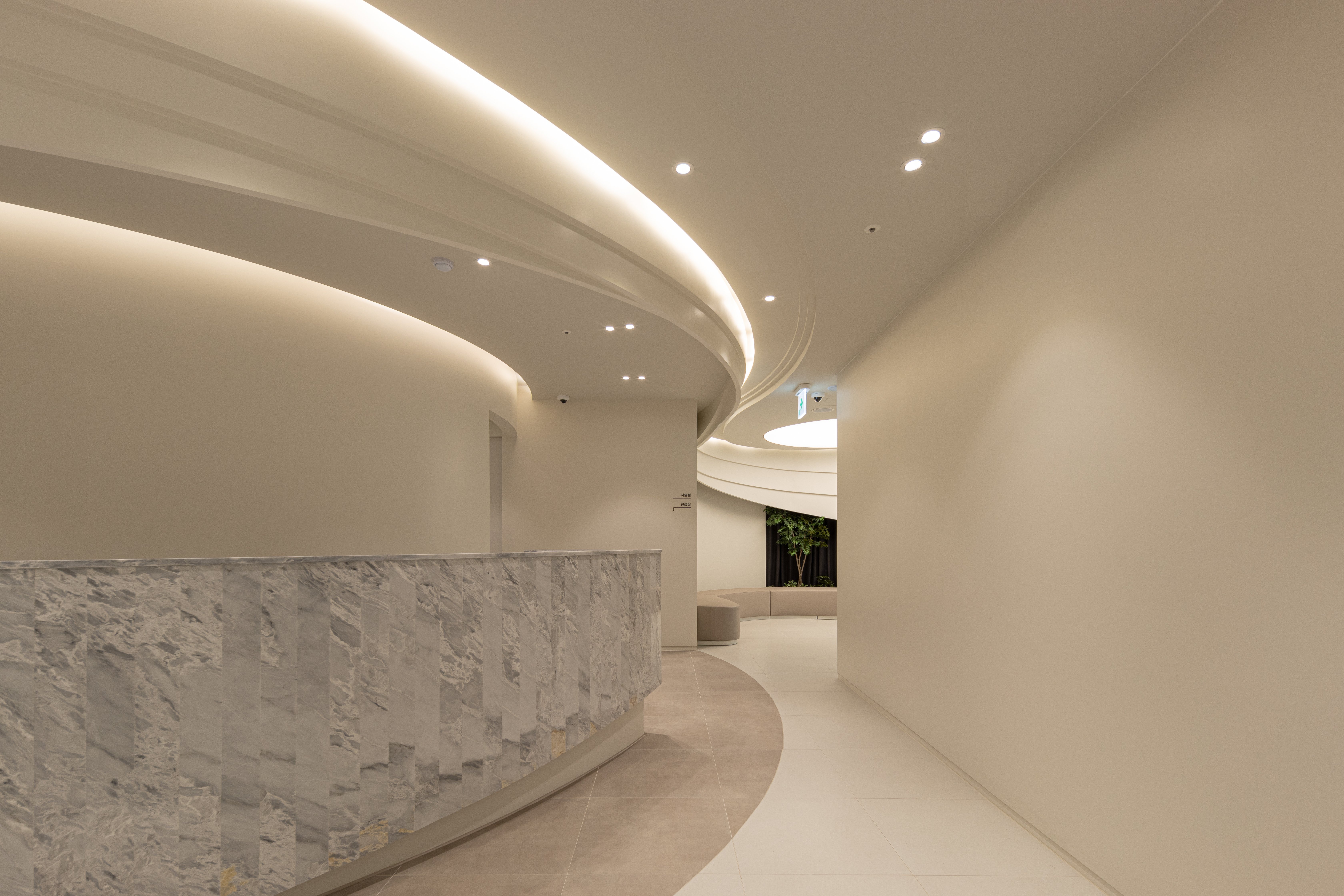
A well-planned XERF visit covers more than the procedure itself. It includes an assessment, a discussion of the proposed treatment, and clear instructions for afterward. Ode Clinic’s medical system includes a consultation and treatment design, a private treatment room, and customized care. Patients should understand the planned areas, expected sensations, and follow-up arrangements before agreeing to treatment.
Preparing for the consultation
Before the visit, make a short note of the areas you want to discuss and any previous aesthetic procedures. Include treatments performed elsewhere, particularly if the treated area overlaps with the area you want assessed. Bring a list of relevant medications and medical conditions, and mention any active skin irritation. This information gives the doctor a clearer basis for discussing suitability and planning care.
It is also helpful to prepare questions about the treatment itself. Ask what DEEP MODE is intended to do in your case, which areas the doctor proposes treating, and how cooling is used. You can also ask about expected sensations, the possibility of visible redness or swelling, and when to contact the clinic afterward. If you are comparing options, ask the doctor to explain how each option relates to your main concern rather than comparing device names alone. Ode Clinic’s consultation considers factors such as the patient’s needs, the timing of results, cost, and potential side effects. The goal is a plan you understand, including what the treatment is intended to address and what it cannot promise.
Preparation gives the doctor information needed to assess suitability and gives the patient a chance to understand the plan. Clear aftercare and contact instructions are part of that discussion, not an afterthought.
Points to consider before treatment
Heat-based procedures can cause temporary redness, swelling, or tenderness. Burns or blistering are also possible, although uncommon. Cooling is used during XERF, but it does not eliminate every risk. Tell the doctor about sensitive or irritated skin and report unusual discomfort during the session. The doctor can discuss the relevant precautions after reviewing your health and the proposed treatment area.
After treatment, follow the individualized instructions provided by the medical staff. Avoid judging the result solely by how the skin looks immediately afterward, especially if temporary redness or swelling is present. If pain increases, blistering develops, or another reaction concerns you, contact the clinic for advice rather than trying to manage a significant reaction on your own. Follow-up is also an opportunity to review photographs and discuss whether the observed change matches the original treatment goal. Changes may take time depending on individual condition. The doctor can explain when a review is appropriate and whether further treatment should be considered.
Questions about cost and follow-up
XERF pricing at Ode Clinic depends on the treatment plan and the number of energy applications selected. The clinic’s listed options include different application counts and an eye-area treatment. Ask what the proposed plan includes, whether the quoted amount covers the areas discussed, and whether any follow-up visit is included. This makes it easier to compare the plan with your goals and budget without relying on a figure that may not apply to your case.
For follow-up, ask how the clinic documents change and when the doctor recommends reviewing it. Ode Clinic uses diagnostic photography and follow-up consultations to support comparison. The clinic also states that genuine products and precise quantities are used. These practices are part of a broader approach that places the doctor’s assessment and the patient’s feedback at the center of care.
Finally, leave the consultation knowing whom to contact if you have questions after the procedure. Treatment decisions are easier to evaluate when the intended benefit, possible reactions, and next steps have all been explained. Whether XERF is suitable depends on the individual assessment; a device setting alone cannot determine the right plan.



Frequently Asked Questions
Q.What does Ode Clinic offer?
A.Ode Clinic provides dermatology services including lifting and tightening, volume treatments, skin boosters, anti-aging care, and body programs. The doctor who performs the procedure conducts the consultation.
Q.Who might consider XERF?
A.XERF may suit someone concerned about facial sagging, reduced elasticity, or a less defined jawline. The doctor assesses the patient’s skin and facial anatomy before recommending a treatment.
Q.How is XERF performed at Ode Clinic?
A.Ode Clinic uses DEEP MODE XERF, which delivers dual-frequency radiofrequency energy with an emphasis on deeper tissue. Cooling is used during treatment to help protect the skin’s surface and reduce discomfort.
Q.What should I prepare before a consultation?
A.Note the areas you want to discuss and share your relevant medical history, medications, implanted devices, and previous aesthetic treatments. Ask about the proposed treatment areas, possible reactions, and aftercare.
Q.Where is Ode Clinic, and how can I contact the clinic?
A.Ode Clinic is at 8F, Gyeongwon Building, 340 Gangnam-daero, Gangnam-gu, Seoul, South Korea. For booking inquiries, call +82 2-569-0222.
Clinic Information
| Clinic | Ode Clinic |
|---|---|
| Specialty | Dermatology |
| Address | Seoul, Gangnam District, Gangnam-daero, 340 8F |
| Phone | +82 2-569-0222 |
| Website | https://odeclinicseoul.com/en |
 Ode Clinic