
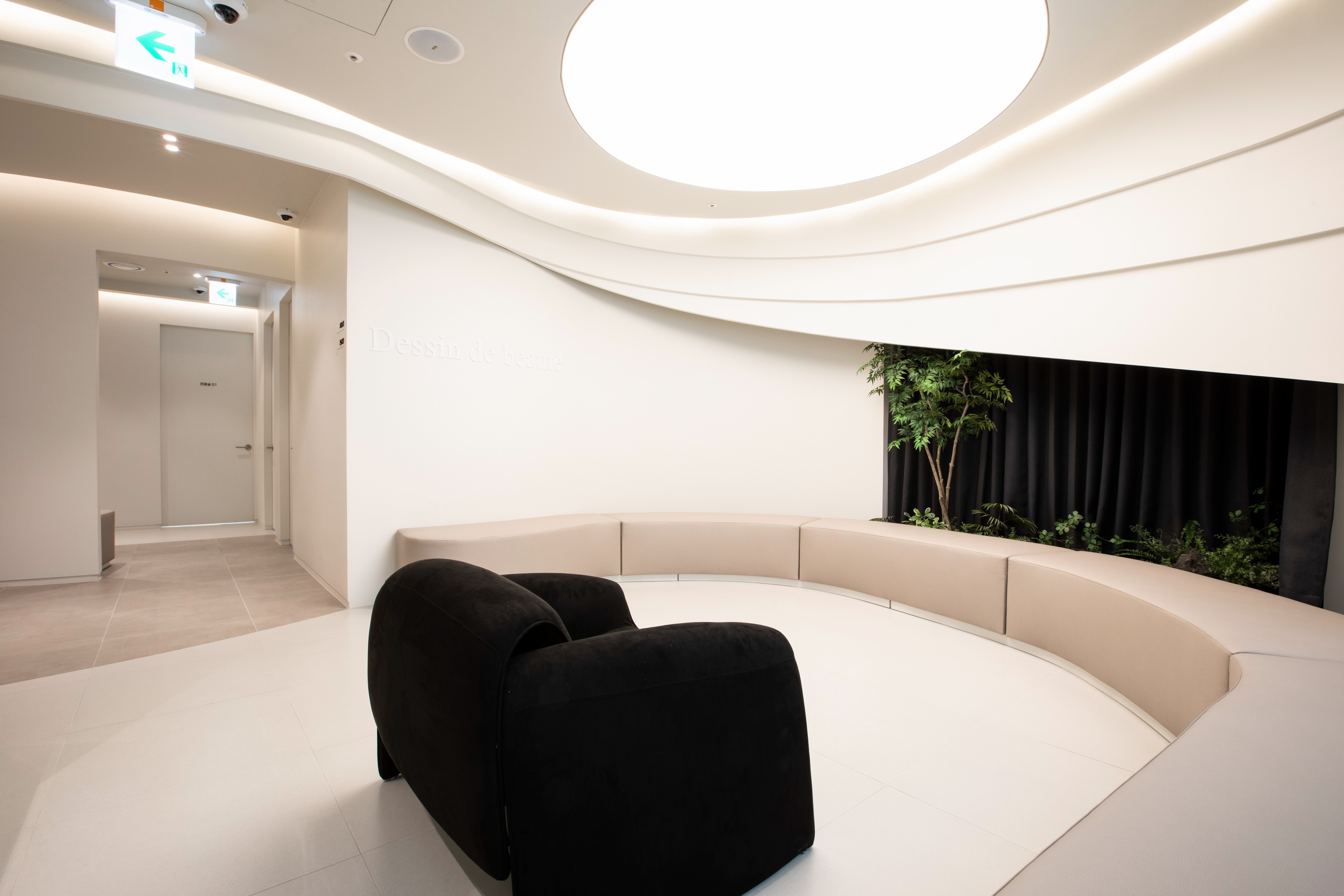
How personalized Ultherapy Prime treatment works
Ultherapy Prime is a focused ultrasound treatment used to address facial sagging and support a firmer appearance. Rather than treating every face in the same way, personalized planning takes the treatment area, tissue characteristics, and individual goals into account. At Ode Clinic, the doctor who performs the procedure conducts the consultation and discusses whether Ultherapy is appropriate. This conversation is also an opportunity to distinguish concerns about sagging from concerns about skin texture or lost facial volume, which may call for a different approach.
Focused ultrasound and facial support
Ultherapy delivers focused ultrasound energy below the skin’s surface. The energy creates small points of heat in targeted tissue, including the superficial muscular aponeurotic system, commonly called the SMAS. This layer is part of the facial support structure. Heat can cause tissue contraction, while subsequent tissue remodeling contributes to changes over time. Ultherapy is intended to address lifting and sagging; it does not add facial volume in the way an injectable filler does.
The distinction matters when choosing a treatment. A patient may describe a change around the lower face as “loose skin,” but the visible concern can involve more than one feature, such as sagging and reduced volume. During consultation, the doctor can examine the area and discuss which changes are realistic to address with ultrasound. The goal is not to apply the same pattern to every face, but to select treatment areas with the patient’s priorities in mind. Changes may take time depending on individual condition, and the extent of visible improvement varies. Before treatment, it is useful to ask how the proposed plan relates to the specific area that bothers you and how progress will be assessed afterward.
Ultherapy uses focused ultrasound to target deeper facial support tissues, but the device alone does not determine the treatment plan. A useful consultation connects the technology to the patient’s actual concern and explains what it can reasonably address.
Areas that may be considered
Ultherapy can be discussed for concerns involving the eyebrows and eyelids, cheeks, nasolabial folds, lower face, or area beneath the chin. These areas differ in their anatomy and in the way sagging becomes visible. A treatment plan should therefore reflect the area being assessed rather than assume that every region needs the same attention. The doctor can also discuss whether the main goal is a lifted appearance, improved firmness, or a combination of concerns.
For example, someone concerned about the jawline may notice changes in the cheeks as well. Another patient may be more focused on the brow area or the appearance of a double chin. Describing the change in your own words helps the doctor understand your priorities, even if you do not know which procedure is appropriate. At Ode Clinic, the consultation is designed to help patients choose among treatment options rather than begin with a fixed device choice. Bring up any concern about facial fullness, especially if you already feel that your face looks lean. The doctor can consider facial characteristics when discussing placement and whether Ultherapy is suitable. No treatment plan should be understood as a promise of a particular contour or degree of tightening.
Who may consider treatment
Ultherapy may be worth discussing if facial sagging is your main concern and you are interested in a non-surgical option. It may also be relevant if you want to understand how a lifting treatment differs from a procedure aimed primarily at skin firmness. Suitability depends on an in-person assessment, your medical history, and the goals you want to pursue. The doctor can explain whether the proposed treatment matches your concerns and whether another option deserves consideration.
People with a lean face should discuss the possibility of unwanted hollowing as part of their assessment. Treatment can be planned with facial fat and existing volume in mind, but individual anatomy still matters. If the concern is primarily a hollow area rather than sagging, a volume-focused option may be more relevant to the discussion. It is also important to tell the medical staff about previous facial procedures, current medications, and any health conditions that could affect treatment or recovery.
| Concern to discuss | Why it matters to the plan |
|---|---|
| Sagging cheeks or lower face | Helps identify the areas where a lifting approach may be considered. |
| Skin firmness and texture | Helps distinguish lifting goals from tightening goals. |
| Facial fullness or hollowness | Helps the doctor account for existing volume when assessing suitability. |
| Previous facial procedures | Provides context for the assessment and treatment discussion. |
A good candidate is not defined by age alone or by a preference for a particular device. What matters is whether the treatment addresses the concern, fits the patient’s health circumstances, and aligns with a realistic expectation of change. Ask the doctor to explain the proposed areas and the reasons for treating them. If your priorities involve both sagging and volume, the consultation can also cover how those concerns might be approached without assuming that one procedure will resolve everything.
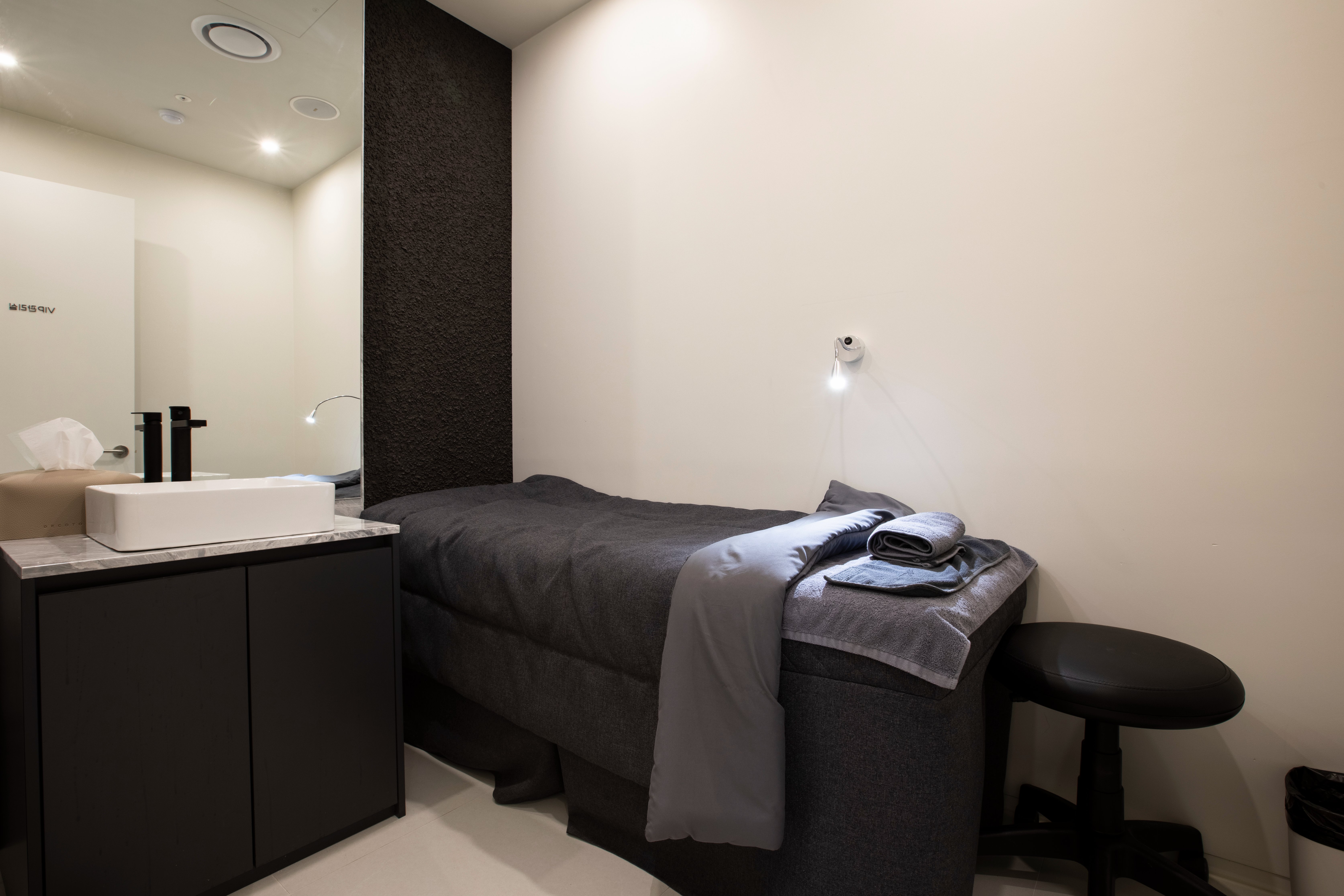
Planning personalized Ultherapy Prime treatment at Ode Clinic
At Ode Clinic, treatment planning begins with a direct consultation with the doctor who performs the procedure. The discussion covers the patient’s needs alongside practical considerations such as the timing of changes, duration of effects, cost, and potential side effects. The purpose is to decide whether Ultherapy is appropriate before settling on a treatment design. Patients do not need to arrive knowing which device to choose. Explaining the area of concern and the kind of change they hope to see is a useful starting point.
What happens during consultation
The doctor considers the patient’s facial characteristics and listens to the concerns that prompted the visit. The discussion can include the areas to be treated, the proposed treatment approach, and any questions about comfort or recovery. Ode Clinic’s care process includes a consultation and treatment design, followed by re-consultation, a procedure in a private room, and customized care. The details of a plan depend on the assessment rather than a uniform recommendation.
To make the consultation productive, be specific about what you notice. You might point to a change in the cheek, the lower facial contour, or the area beneath the chin, and explain whether it is the position of the tissue, the skin’s firmness, or a loss of fullness that concerns you. If you have undergone treatment before, share what was done and how you responded. This context helps the doctor discuss options with your priorities in mind. You can also ask how the treatment areas and number of ultrasound shots are chosen. The answer should relate to your assessment, not simply to a standard package. If anything in the proposed plan is unclear, ask for an explanation before deciding whether to proceed.
A personalized plan starts with the patient’s concern, not a predetermined device or shot count. The treating doctor’s assessment helps establish what to treat, what to leave alone, and what changes to expect.
Choosing between lifting and tightening
Ultherapy and radiofrequency treatments work differently. Ultherapy uses focused ultrasound and is discussed primarily as a lifting approach for sagging. Thermage FLX uses radiofrequency energy to heat the dermis and support collagen remodeling, with an emphasis on skin firmness and texture. Neither description means that one treatment is universally preferable. The choice depends on whether the patient’s main concern is sagging, firmness, or another feature identified during consultation.
Ode Clinic offers both Ultherapy and other device-based options, including Thermage, XERF, Density, EMFACE, and Onda Lifting. Their different technologies are a reason to compare the intended treatment goals rather than choose solely by name. For instance, a patient interested in firmer skin may want to ask how a radiofrequency treatment differs from ultrasound lifting, while someone concerned about a hollow appearance can ask whether a volume-focused discussion is appropriate. A combination or sequence of procedures should be considered only after an individual assessment. More treatment is not automatically the right treatment: the proposed approach should have a clear reason, an understandable cost, and a discussion of potential side effects. The doctor can also explain when it may be sensible to focus on one concern first.
Cost and treatment design
Ultherapy Prime at Ode Clinic is listed at ₩350,000 for 100 shots, excluding value-added tax. The number of shots proposed for an individual patient depends on the treatment plan, so the listed amount should not be assumed to represent the full cost of every visit. Ask the doctor how the recommended shot count relates to the areas being treated and request a clear explanation of the total before proceeding.
Cost is one part of a decision that also includes treatment goals, expected timing, comfort, and potential side effects. Comparing plans by shot count alone can be misleading if the proposed treatment areas or individual needs differ. A useful discussion covers what the quoted plan includes and why that plan was selected. If another treatment is recommended, ask how its purpose differs from Ultherapy rather than assuming that the procedures are interchangeable.
Patients can also ask about the expected duration of effects and whether future treatment might be appropriate. Ode Clinic describes Ultherapy effects as lasting approximately six to twelve months, although individual experiences differ. That timeframe is not a guarantee or a fixed schedule. The doctor can discuss follow-up in relation to the treatment performed and the changes observed, rather than setting an identical plan for everyone in advance.
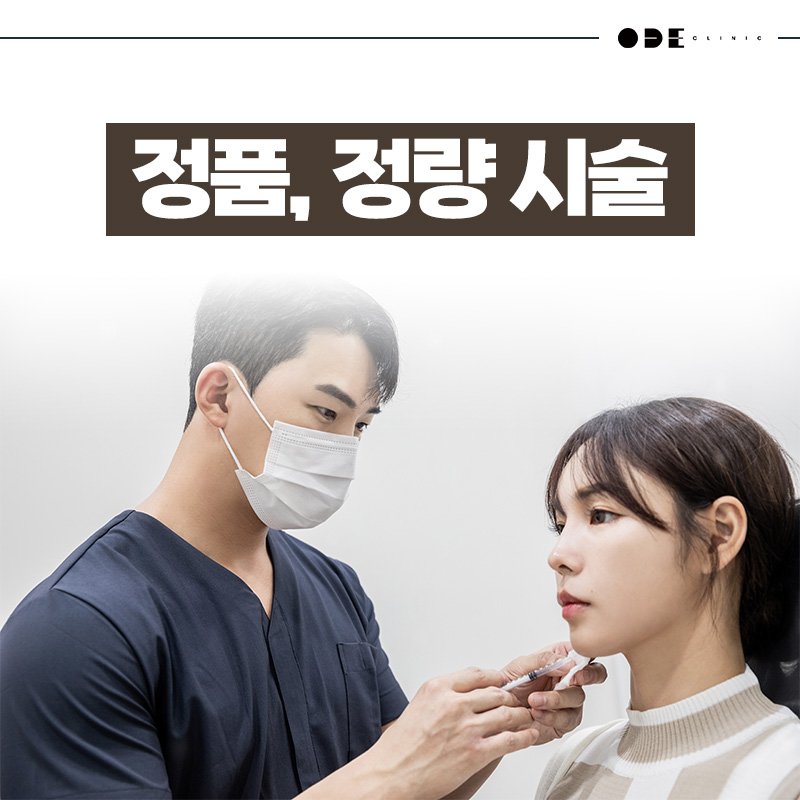
What to expect from personalized Ultherapy Prime treatment
Understanding the procedure, possible reactions, and follow-up helps patients make an informed decision. Some tissue contraction can occur as heat is delivered, while visible changes may develop over time and vary between individuals. Ode Clinic offers a consultation before treatment and uses diagnostic photography for before-and-after comparison. Ask the doctor how your progress will be reviewed and which reactions should prompt you to contact the clinic. Clear instructions tailored to your treatment are more useful than assuming that every patient will have the same experience.
Comfort during the procedure
Ultrasound treatment can involve discomfort as energy is delivered. Before the procedure, tell the doctor if you are concerned about pain or have had difficulty tolerating previous treatments. Ode Clinic offers Airnox nitrous oxide sedation as a comfort option for Ultherapy instead of sleep anesthesia. Whether it is appropriate should be discussed with the medical staff, including any relevant health history and questions about preparation or recovery.
Comfort is part of treatment planning, not an afterthought. Ask what you may feel during the procedure, how to communicate discomfort, and what support is available. If a sedation option is being considered, tell the medical staff about your medical conditions and medications so the discussion can reflect your circumstances. You can also ask whether you need to make any arrangements for the day of treatment. The doctor should explain the proposed approach before the procedure begins. During treatment, communicate any sensation that concerns you rather than trying to judge on your own whether it is expected. The medical staff can respond to your questions and explain the next steps. Comfort measures and experiences differ, so a consultation is the right place to discuss what is suitable for you.
Preparation includes more than choosing a treatment area: it also means discussing comfort, medical history, and follow-up. Knowing what to report during and after treatment supports a more informed experience.
Points to consider before treatment
Before proceeding, discuss potential side effects and how the clinic recommends managing them. Temporary redness, swelling, or tenderness can occur after ultrasound treatment; less common complications can also occur. The doctor can explain the risks relevant to your proposed treatment and advise you on symptoms that need attention. If you have an active skin concern in the intended area, mention it during consultation so the doctor can assess whether treatment should proceed.
Facial volume deserves particular attention when the face is already lean or when previous procedures have changed its appearance. Ultherapy can be planned with existing facial fat in mind, but a consultation cannot promise that every concern will be avoided. Ask the doctor to explain how the planned areas relate to your anatomy and what alternatives might be considered. It is equally important to discuss expectations: a non-surgical treatment does not replace a surgical procedure, and the degree of visible change varies. If your primary concern is texture, deep volume loss, or a feature outside the proposed treatment area, ask whether Ultherapy directly addresses it. This discussion allows you to weigh the potential benefit against the cost, comfort considerations, and possible reactions before agreeing to treatment.
Follow-up and assessing change
Ode Clinic uses diagnostic photography, including two-dimensional and three-dimensional imaging, to support before-and-after comparison. Photographs can give the doctor and patient a reference for discussing changes that may be difficult to judge from memory. A follow-up consultation also provides an opportunity to raise questions about the treated area. Ask when a review would be useful for your plan and whether photographs will be taken as part of your care.
Changes may take time depending on individual condition, and results vary. Rather than relying on an immediate impression alone, discuss the expected course with the doctor and use the agreed follow-up to review progress. If you notice a reaction that worries you, contact the clinic rather than waiting for a routine review. Keep any treatment instructions provided by the medical staff and ask for clarification if you are unsure how to follow them.
For patients considering maintenance, the timing of another treatment should be based on the individual assessment and response. The clinic’s stated range for Ultherapy effects provides a general reference, not a promise that change will last for a particular period. At a follow-up visit, you can discuss whether the original concern has changed, whether a different concern has become more important, and whether further treatment is appropriate at all.



Frequently Asked Questions
Q.What does Ode Clinic offer for facial lifting?
A.Ode Clinic offers Ultherapy Prime, a focused ultrasound treatment used to address facial sagging. The doctor who performs the procedure conducts the consultation and discusses an individual treatment plan.
Q.Who might consider Ultherapy?
A.Patients concerned about sagging around the cheeks, eyebrows, lower face, or beneath the chin may wish to discuss Ultherapy. The doctor assesses facial characteristics and treatment goals before recommending an approach.
Q.How does Ode Clinic decide between Ultherapy and other treatments?
A.The doctor considers the patient’s concerns and discusses options such as Ultherapy for lifting and Thermage FLX for skin firmness. The recommendation depends on the individual assessment.
Q.What does Ultherapy Prime cost?
A.Ultherapy Prime is listed at ₩350,000 for 100 shots, excluding value-added tax. The total depends on the treatment plan and recommended shot count.
Q.Where is Ode Clinic, and how can I contact the clinic?
A.Ode Clinic is at 8F, Gyeongwon Building, 340 Gangnam-daero, Gangnam-gu, Seoul. Call +82 2-569-0222 to ask about an appointment.
Clinic Information
| Clinic | Ode Clinic |
|---|---|
| Specialty | Dermatology |
| Address | Seoul, Gangnam District, Gangnam-daero, 340 8F |
| Phone | +82 2-569-0222 |
| Website | https://odeclinicseoul.com/en |
 Ode Clinic