Understanding personalized Thermage treatment
Thermage FLX uses monopolar radiofrequency energy to heat the dermis, the layer of skin that contains collagen. The treatment is intended to support firmer-looking skin and soften the appearance of some fine lines. At ODE Clinic, the treating doctor considers your skin condition, areas of concern, and goals before recommending a plan. Thermage is primarily a skin-tightening treatment, so it is important to distinguish firmness from a substantial change in facial contours.
How radiofrequency tightening works
Radiofrequency energy creates controlled heat in the skin. That heat can cause existing collagen fibers to contract and stimulate a remodeling process that continues after the appointment. The aim is to improve the quality and firmness of the skin rather than add volume. Changes are often subtle and develop gradually, making the treatment more appropriate for some concerns than others.
During consultation, the doctor can assess whether the areas you want to address are likely to benefit from a tightening approach. Skin thickness, facial volume, and the degree of sagging all contribute to that decision. For example, a patient concerned mainly about skin texture may have a different treatment goal from someone hoping to address more pronounced facial sagging. These differences matter because a device alone does not determine whether a treatment is appropriate. The treatment area and delivery plan should also reflect the individual. If your main concern is lost volume or a change in facial shape, raise it before treatment so the doctor can explain whether Thermage addresses that concern or whether another approach deserves consideration.
Thermage works on skin firmness through a gradual collagen-remodeling process. A useful consultation begins by identifying whether your main concern is skin quality, sagging, volume loss, or a combination of these.
What personalization means at ODE Clinic
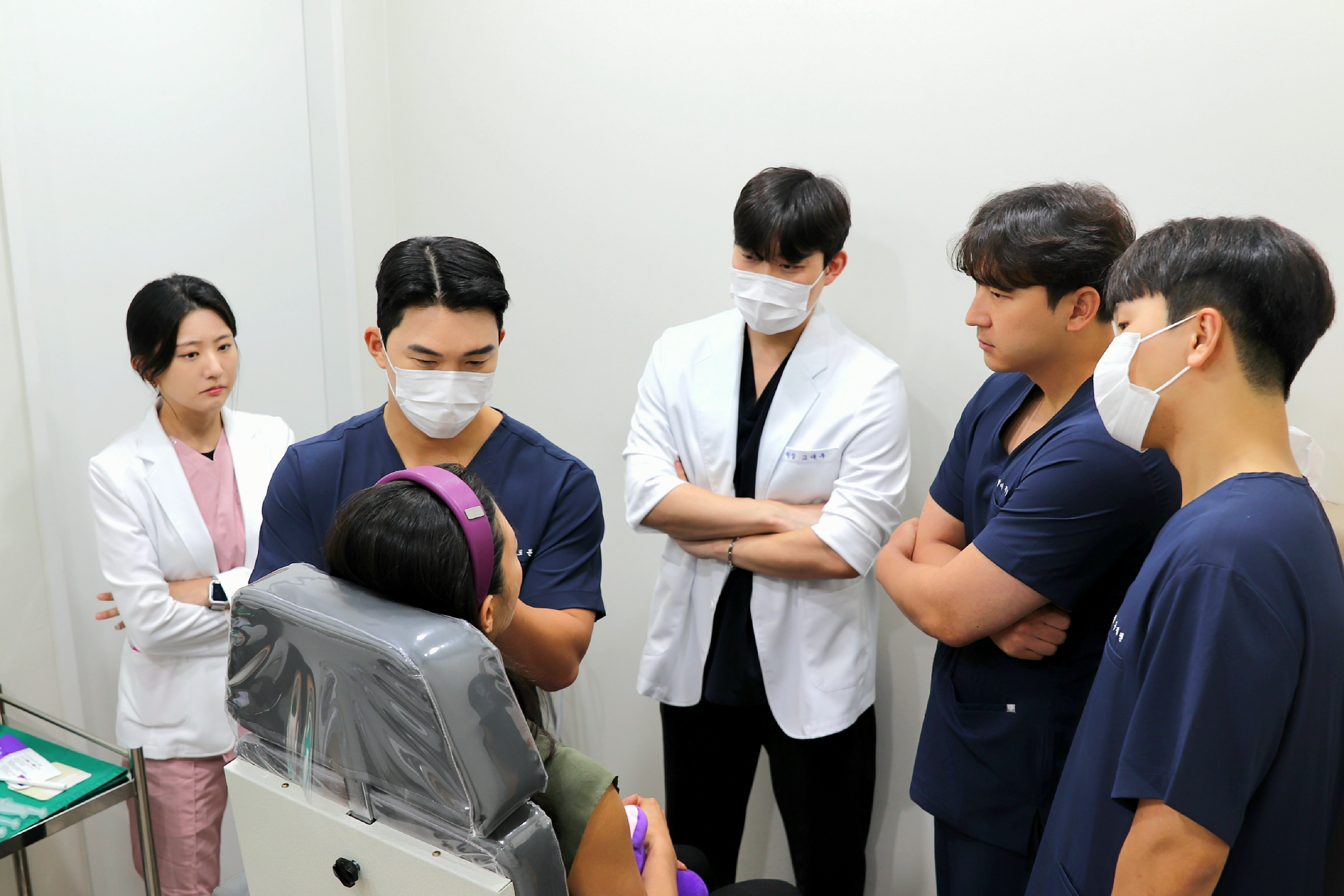
ODE Clinic’s approach starts with a direct consultation with the doctor who performs the procedure. Rather than applying the same plan to every patient, the doctor discusses the areas that matter to you and considers the characteristics of your skin. You do not need to arrive knowing which device or treatment setting you want. A clear description of your concerns is a useful starting point.
Personalization also means discussing what a treatment can reasonably address before deciding how to proceed. Tell the doctor whether you are most concerned about firmness, fine lines, facial shape, or changes around a particular area. Explain whether you prefer a subtle change and how much discomfort you are prepared to tolerate. The doctor can then discuss the proposed treatment area, the number and distribution of shots, and the considerations behind the plan. ODE Clinic’s medical staff have experience with lifting procedures, including Thermage and Ultherapy, as well as injectable treatments such as filler. That range of experience supports a conversation about different treatment goals rather than assuming that every concern calls for the same procedure.
Setting expectations before treatment
Thermage is intended to improve firmness and skin texture, but it should not be presented as a substitute for every type of lifting or volume treatment. The visible change is usually gradual, and its extent differs by individual. Changes may take time depending on individual condition. Discussing the kind of change you hope to see helps the doctor explain whether your expectations are aligned with the treatment.
Before deciding, consider how you will judge the outcome. You might focus on how your skin looks in a particular area, how firm it feels, or how fine lines appear in consistent photographs. Sharing those priorities helps make the follow-up discussion more useful. It also gives you an opportunity to ask about other approaches if your primary concern is not skin firmness.
| Concern | Point to discuss with the doctor |
|---|---|
| Reduced skin firmness | Whether radiofrequency tightening is appropriate for the area |
| Fine lines or texture | Which changes Thermage is intended to address |
| Facial sagging | Whether a lifting treatment should also be considered |
| Volume loss | Whether a volume-focused treatment is more relevant |
This distinction does not mean that you need to choose a treatment on your own. It means bringing a clear description of your concern to the appointment and allowing the doctor to assess it. If more than one concern is present, ask how each option relates to your priorities and whether treatments should be considered separately or in sequence.
Planning personalized Thermage treatment at ODE Clinic
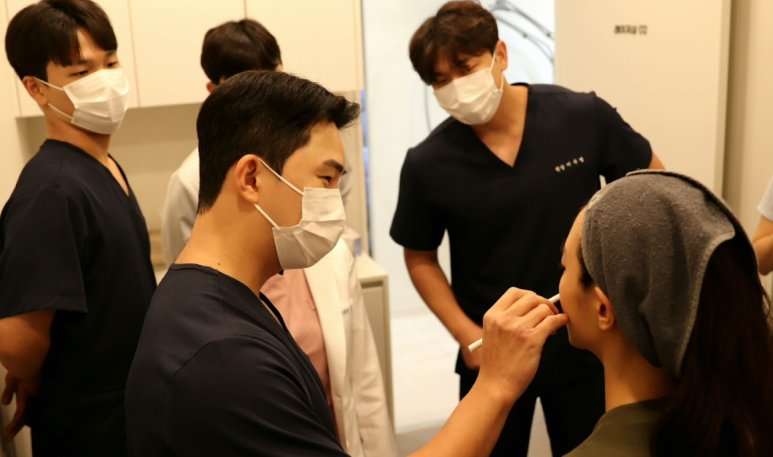
A thoughtful plan begins before the procedure itself. The consultation is an opportunity to discuss your medical history, previous treatments, comfort preferences, and the result you hope to see. ODE Clinic considers factors such as treatment timing, cost, and potential side effects when discussing recommendations. The purpose is to decide whether Thermage fits your needs, not simply to select a device in advance.
Prepare for your consultation
Bring a concise list of the areas you want to discuss and any questions you have about treatment. Let the doctor know about previous cosmetic procedures, relevant medical conditions, and medicines or supplements you take. Mention implanted medical devices, pregnancy, or skin irritation in the proposed treatment area so the doctor can assess whether treatment is appropriate.
It can also help to describe what has changed over time. For instance, you may have noticed that your skin feels less firm or that fine lines are more visible. If you have had a previous procedure, share when it was performed and what you liked or disliked about the experience. Be candid about sensitivity to discomfort and any concerns about recovery. The doctor needs this context to discuss suitability and treatment planning; a photograph or a list of questions can support the conversation, but neither replaces an in-person assessment. Before agreeing to treatment, ask the doctor to explain the intended treatment areas, expected changes, possible risks, and any preparation instructions that apply to you.
A useful consultation covers your health history as well as your aesthetic goals. Clear questions about suitability, comfort, and expected changes can help you make an informed decision with the treating doctor.
Discuss treatment design and comfort
The number of shots is one part of a Thermage plan, but it is not the only consideration. The doctor also needs to decide how to distribute treatment across the selected areas and adjust the approach to the individual. Ask why a particular plan has been recommended and how it relates to your main concern. A higher shot count alone should not be treated as a promise of a better result.
Thermage involves heat, and some discomfort can occur during the procedure. ODE Clinic offers nitrous oxide sedation as an option for Thermage; ask the medical staff whether it is suitable for you and what it involves. During treatment, communicate any discomfort promptly rather than trying to tolerate a sensation that worries you. The doctor can assess your feedback alongside the treatment plan. It is also reasonable to ask about the expected length of your appointment and any instructions for arriving or leaving. Comfort preferences and medical suitability differ, so these details should be discussed for your own circumstances rather than assumed from another patient’s experience.
Understand the price and appointment details
ODE Clinic lists Thermage FLX at KRW 2,300,000 for 600 shots, excluding value-added tax. The appropriate shot count and final treatment plan depend on the consultation. Ask for a clear explanation of the proposed plan and total charges before proceeding, particularly if the recommendation differs from the listed option.
The clinic’s treatment process includes a consultation and treatment in a private room, followed by customized care. Ask the medical staff what preparation is appropriate for your appointment and whether you should adjust your usual skin-care routine beforehand. If you have an event or travel plans, mention them so the doctor can discuss timing and possible temporary skin reactions.
| Planning detail | What to know |
|---|---|
| Consultation | The treating doctor discusses your concerns and treatment plan. |
| Listed Thermage FLX option | 600 shots at KRW 2,300,000, excluding value-added tax. |
| Comfort | Nitrous oxide sedation is an option to discuss with the medical staff. |
| Assessment | Before-and-after diagnostic photographs can support follow-up discussions. |
Use the consultation to clarify any details that affect your decision, including the proposed treatment areas and how the appointment will be organized. If you are comparing options, compare what each treatment is intended to address as well as its price. A plan is more meaningful when you understand both its purpose and its limits.

Aftercare and results from personalized Thermage treatment
Good follow-up starts with understanding that skin changes develop over time. Thermage-related collagen remodeling is gradual, with changes continuing over approximately six months. Individual responses differ, so avoid judging the outcome solely by how your skin looks immediately after the appointment. Follow the medical staff’s individual aftercare instructions and report any reaction that concerns you.
Care for your skin after the procedure
Before leaving, ask the medical staff which products and activities are appropriate for your skin after treatment. Follow the instructions provided for your situation, particularly if your skin feels warm or sensitive. Protecting skin from sun exposure and using a gentle routine are sensible topics to discuss as part of ongoing skin care.
Temporary redness, swelling, or warmth can occur after a radiofrequency procedure. More significant reactions, including burns or blistering, can occur rarely. Contact the medical staff if you develop blistering, increasing pain, or a reaction that concerns you rather than attempting to manage it without advice. It is also useful to ask whom to contact after the procedure and what signs warrant prompt assessment. Your doctor can explain which changes are expected and how to care for the treated skin. If another procedure is being considered, discuss its timing before arranging it; the appropriate sequence depends on your skin, treatment history, and the proposed procedure.
Aftercare should be guided by the instructions given for your skin and treatment. Gradual assessment is just as important: early appearance alone does not tell the whole story of collagen remodeling.
Use photographs to assess gradual change
Because Thermage changes can be subtle, consistent photographs can make a follow-up conversation more informative. ODE Clinic uses diagnostic imaging for before-and-after comparisons and discusses changes during follow-up consultations. Images are most useful when viewed alongside your original concerns rather than as a way to promise a particular outcome.
At your follow-up, revisit the goals you discussed before treatment. If your concern was skin firmness, ask the doctor to help you assess that area rather than looking for a dramatic change in facial shape. Try to compare photographs taken under consistent conditions, since differences in lighting, expression, and angle can affect how skin appears. You can also describe how your skin feels and whether the changes are meaningful to you. If you do not see the change you expected, discuss that openly with the doctor. The conversation can clarify whether more time is needed to assess remodeling or whether your original concern would be better addressed through a different approach.
Plan future care around your goals
ODE Clinic describes Thermage as a treatment that can be repeated annually, but the right timing should be discussed individually. A maintenance schedule is not a guarantee of a particular result. The doctor can review your skin, previous response, priorities, and any other treatments before recommending what to do next.
If your goals include both firmness and facial lifting, ask how Thermage differs from Ultherapy Prime. Thermage focuses on radiofrequency tightening, while Ultherapy uses focused ultrasound for lifting. Filler addresses volume rather than replacing a skin-tightening treatment. These options serve different purposes, and combining or sequencing treatments should be considered only after an individual assessment.
| Treatment approach | Primary purpose to discuss |
|---|---|
| Thermage FLX | Radiofrequency skin tightening and firmness |
| Ultherapy Prime | Focused ultrasound lifting |
| Filler | Addressing selected areas of volume loss |
The most useful next step is a review of what you wanted to improve and what has changed since treatment. ODE Clinic’s approach emphasizes listening to patient feedback before and after procedures. Bring your questions to the follow-up and ask the doctor to explain the reasoning behind any further recommendation.



Frequently Asked Questions
Q.What does ODE Clinic offer for skin tightening?
A.ODE Clinic offers Thermage FLX, a radiofrequency treatment intended to improve skin firmness and texture. The treating doctor discusses an individual plan during consultation.
Q.Who might consider Thermage?
A.Thermage may be worth discussing if you are concerned about reduced skin firmness or fine lines. The doctor assesses your skin and goals to determine whether it is appropriate.
Q.How does Thermage work?
A.Thermage delivers radiofrequency energy to the skin, supporting collagen contraction and gradual remodeling. It focuses on tightening rather than adding facial volume.
Q.How much does Thermage FLX cost at ODE Clinic?
A.The listed price for 600 shots is KRW 2,300,000, excluding value-added tax. The proposed shot count and treatment plan are discussed during consultation.
Q.Where is ODE Clinic, and how can I contact the clinic?
A.ODE Clinic is at 8F, Gyeongwon Building, 340 Gangnam-daero, Gangnam-gu, Seoul. Call +82 2-569-0222 to inquire about a consultation.
Clinic Information
| Clinic | Ode Clinic |
|---|---|
| Specialty | Dermatology |
| Address | Seoul, Gangnam District, Gangnam-daero, 340 8F |
| Phone | +82 2-569-0222 |
| Website | https://odeclinicseoul.com/en |
 Ode Clinic