How premium Ultherapy Prime treatment works
Ultherapy Prime is a non-surgical lifting treatment that uses high-intensity focused ultrasound to deliver thermal energy beneath the skin. The energy creates small points of heat in targeted tissue, including the superficial muscular aponeurotic system, or SMAS, a supportive layer involved in facial movement and structure. The treatment is intended to address laxity and improve the appearance of sagging. Its suitability depends on the area being treated, the amount of facial volume present, and the changes a patient hopes to achieve.
Focused ultrasound and tissue support
Focused ultrasound concentrates energy at a selected depth rather than treating every layer in the same way. At the target point, heat creates a controlled area of thermal coagulation. This can cause tissue contraction and stimulate a gradual remodeling response. In practical terms, the treatment is designed to work on support beneath the skin as well as on the appearance of firmness. The doctor considers the treatment area and individual facial anatomy when deciding how to distribute the ultrasound energy.
The SMAS is often discussed in relation to lifting because it contributes to the structural support of the face. Addressing this deeper layer is different from focusing only on the surface appearance of skin. That distinction helps explain why Ultherapy may be considered for concerns such as sagging cheeks or a less-defined jawline. It does not mean that every area requires the same approach. Skin thickness, the position of lax tissue, and underlying facial volume all matter when planning treatment. Ultherapy is a non-surgical procedure; it should not be expected to reproduce the extent of change associated with surgery. During consultation at Ode Clinic, we discuss the concern you want to address and whether an ultrasound-based approach is appropriate for that concern.
Ultherapy Prime uses focused ultrasound to target tissue beneath the skin, including the SMAS. A careful assessment helps connect the treatment plan to the patient’s anatomy and goals.
When changes may become noticeable
Heat can cause an initial contraction of treated tissue, while further changes develop as the tissue remodels. The timing and degree of visible change differ from person to person. Some patients may notice an early difference, while others may see changes more gradually. It is useful to discuss both the expected timing and the limitations of treatment before proceeding, especially if you are planning around an event or comparing ultrasound lifting with another option.
At Ode Clinic, the consultation is an opportunity to clarify what you would consider a meaningful improvement. For example, a patient concerned about a softer jawline may have different priorities from someone focused on the cheeks or brow area. Those priorities affect the discussion about where treatment should be concentrated. We also consider the expected duration of the effect alongside cost and potential treatment-related concerns. The treatment information for Ultherapy Prime describes an effect lasting approximately six to twelve months, although individual results and duration vary. That range is not a promise that a particular change will appear or remain for a fixed period. Changes may take time depending on individual condition, and follow-up gives the doctor an opportunity to review your response and discuss whether further care is appropriate.
Lifting and tightening: understanding the distinction
Lifting and tightening are related goals, but they are not interchangeable. Lifting focuses on the appearance of tissue that has descended, while tightening generally describes an improvement in skin firmness. Ultherapy Prime targets deeper support structures and is often considered when sagging is a central concern. A consultation can help identify whether the main issue is laxity, a change in facial volume, skin texture, or a combination of these factors.
That distinction matters because a treatment selected for firmness alone may not address a patient’s main concern about facial contour. Equally, ultrasound lifting is not a substitute for every treatment intended to address hollowing or skin texture. At Ode Clinic, we offer lifting, tightening, volume, and skin-booster care. The doctor can explain which approach is relevant to your concerns rather than assuming that one procedure should serve every purpose.
| Concern discussed | Planning consideration |
|---|---|
| Sagging cheeks | Location and degree of laxity |
| Jawline or under-chin area | Contour and distribution of tissue |
| Brow or eyelid area | Suitability of treatment for the area |
| Hollowing or reduced facial volume | Whether a volume-focused approach should also be discussed |
The table is a starting point for discussion, not a treatment guide for every face. A concern visible in one area may be influenced by changes elsewhere, and the appropriate plan depends on an in-person assessment. If you have noticed both sagging and hollowing, explain which change bothers you most. This helps the doctor distinguish between a goal of improving tissue support and a goal of restoring volume, then discuss the options in terms you can use to make an informed decision.
Who may consider premium Ultherapy Prime treatment
Ultherapy Prime may be worth discussing if you are concerned about facial laxity and want to explore a non-surgical option. Areas listed for treatment include the eyebrows and eyelids, cheeks, nasolabial folds, under-chin area, and jawline. Being concerned about one of these areas does not automatically mean that treatment is appropriate. The doctor needs to assess your anatomy, health history, and goals before recommending a plan. The consultation also helps establish whether lifting, firmness, or volume is the priority.
Assessing the area of concern
Describe the change you have noticed rather than focusing only on a device or a number of ultrasound shots. You might be concerned that the cheeks appear lower, that the contour around the mouth has changed, or that the jawline looks less defined. The doctor can examine the relevant area and explain whether the appearance is primarily related to laxity, volume loss, or another factor. This makes the discussion more useful than choosing treatment solely by its name.
It is also helpful to explain whether your concern is visible at rest, in photographs, or when making particular facial expressions. These observations give the doctor context for the assessment, even though they do not replace an examination. At Ode Clinic, the chief director conducts a one-on-one consultation to design the treatment, followed by a detailed consultation to finalize the plan. You can use this time to ask which areas would be treated and what sort of change is realistic. If more than one concern is present, ask how the proposed treatment addresses each one. A plan may focus on the concern most important to you rather than attempting to treat every visible change at once. Clear priorities help the consultation stay focused on the outcome you are seeking.
The most useful starting point is the concern you want to address, not a predetermined shot count. An individual assessment helps distinguish sagging from volume loss and sets realistic expectations.
Facial volume and individualized planning
Patients with a naturally lean face or concerns about hollowing should raise that point before treatment. Ultherapy Prime can be considered when facial fat is limited, but the treatment design needs to take existing volume into account. The doctor can examine the areas of concern and explain how the proposed approach relates to your facial structure. The aim of that discussion is to avoid treating laxity in isolation when a patient is also concerned about a hollow appearance.
Volume and skin support contribute differently to facial appearance. A person may notice sagging around the lower face while also feeling that the midface has become less full. In that situation, a lifting treatment and a volume-focused treatment address different questions. At Ode Clinic, our services include volume treatment as well as lifting and tightening, so the consultation can cover these goals separately. This does not mean that combined procedures are necessary or appropriate for everyone. Ask the doctor which concern the proposed plan addresses first, what change is reasonable to expect, and whether an alternative deserves consideration. A personalized plan should reflect both the appearance you want to improve and the features you want to preserve. If you have had previous facial procedures, share that history so it can be considered during assessment.
Points to consider before treatment
Ultrasound treatment can involve discomfort, and the level experienced differs between patients. Ode Clinic offers a nitrous oxide sedation option for Ultherapy; the doctor can discuss whether it is appropriate for you. Tell the medical staff about your health history, medications, allergies, previous procedures, and any concerns about discomfort before treatment. This information helps the doctor assess suitability and discuss the care plan, including how you will feel comfortable proceeding.
Temporary tenderness, redness, or swelling can occur after ultrasound treatment. Less common complications can also occur, so ask the doctor to explain the relevant risks for your treatment area and when to contact the clinic. If you have an active skin concern or another medical issue in the area, mention it during consultation. Do not assume that a non-surgical treatment is risk-free; an informed decision includes understanding both the intended benefit and the possible effects of treatment.
Practical questions are worth raising before you schedule treatment. Ask what preparation the medical staff recommend, whether any aspect of your routine should be adjusted, and what care is appropriate afterward. If you have an upcoming event, explain your timing so the doctor can discuss the possibility of temporary visible changes and the gradual nature of treatment response. Ode Clinic provides personalized post-procedure management, and your care instructions should reflect the treatment you receive and your individual circumstances.
Planning premium Ultherapy Prime treatment at Ode Clinic
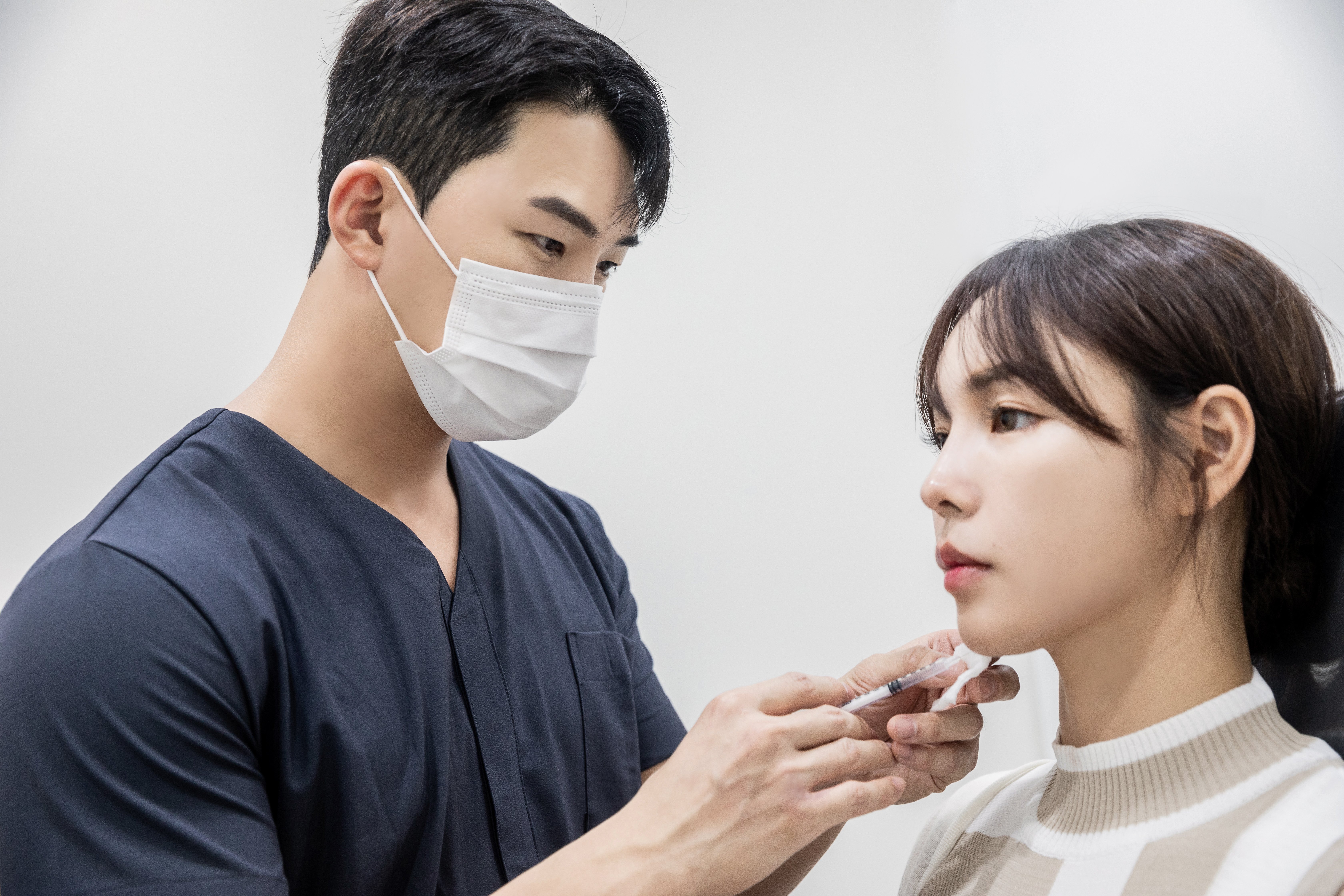
Ode Clinic follows a structured process from arrival through post-procedure care. The chief director conducts a one-on-one consultation to discuss your concerns and design the treatment, and a further consultation is used to finalize the plan. Treatment takes place in a private, single-person room. Afterward, we provide personalized care before you leave. The process gives you an opportunity to discuss the proposed treatment and its practical details before proceeding.
Consultation and treatment design
During consultation, explain the areas you want to address and any previous experience with facial treatments. The chief director can assess your concerns, discuss whether Ultherapy Prime is appropriate, and outline a proposed treatment design. This is also the time to talk about your priorities, anticipated timing, cost, and potential side effects. If you are unsure whether your concern is primarily laxity or loss of volume, ask for an explanation of the assessment.
The follow-up consultation is intended to finalize the treatment plan after the initial discussion. Before agreeing to treatment, make sure you understand which areas are included, the proposed shot count, and the expected charge. Shot count is one part of the plan, but it does not describe where energy will be applied or how treatment relates to your anatomy. Ask the doctor to explain the reasoning behind the proposed distribution and what it is intended to address. You can also discuss discomfort management and any questions about your medical history. At Ode Clinic, we provide consultation directly with the treating doctor, allowing treatment selection and planning to be discussed with the person responsible for the procedure. If the proposed approach does not match your priorities, raise that concern before the plan is finalized.
A useful consultation connects your goals to the treatment area, shot distribution, and expected course of care. Take the opportunity to ask about the plan before deciding whether to proceed.
What happens on the day
After arrival, the process moves through consultation and a detailed review of the treatment plan. Once the plan is finalized, the procedure is performed in a private room. The medical staff can explain what to expect during treatment, including the sensation of ultrasound energy and the available approach to discomfort management. If you have a question or feel uncomfortable during the procedure, tell the treating doctor or medical staff.
After treatment, Ode Clinic provides personalized post-procedure management before departure. The instructions you receive should guide your care after you leave, including what to watch for and how to contact the clinic if you are concerned. Because responses differ, avoid assuming that another person’s experience will predict your own. If you notice a reaction that concerns you, or a symptom that is worsening rather than settling, contact the clinic for advice. Follow-up can also be used to discuss changes over time. Ode Clinic offers before-and-after skin diagnostic photography and follow-up consultations, which can help support a more objective discussion of visible change. Photographs are one part of that discussion; your own goals and experience remain important when reviewing whether the treatment addressed your concern.
Cost, follow-up, and maintenance
Ode Clinic lists Ultherapy Prime at KRW 350,000 for 100 shots, excluding value-added tax. The total charge depends on the treatment plan and the number of shots agreed during consultation. Ask for the full quoted amount, including applicable tax, before proceeding. A price tied to a shot count is useful for comparison, but it should be considered alongside the areas being treated and the doctor’s assessment of what is appropriate.
The treatment information describes an effect lasting approximately six to twelve months, with individual variation. A future appointment should be based on your response, goals, and the doctor’s assessment rather than a fixed assumption that everyone needs the same schedule. During follow-up, discuss what has changed, what remains important to you, and whether further treatment is appropriate. If your primary concern has shifted from laxity to volume or skin quality, the discussion can reflect that change.
| Stage | What to expect at Ode Clinic |
|---|---|
| Consultation and design | One-on-one discussion with the chief director |
| Re-consultation | Detailed review to finalize the treatment plan |
| Procedure | Treatment in a private, single-person room |
| Aftercare | Personalized post-procedure management |
Before booking, consider writing down your main concern and any questions about the procedure. Bring relevant details about previous treatments and your health history to the consultation. You can also ask how the proposed plan will be reviewed afterward and whether diagnostic photographs would be useful for your case. The goal is not to select the largest treatment plan, but to understand what the doctor recommends, why it fits your concerns, and what care will follow.



Frequently Asked Questions
Q.What does Ode Clinic offer for facial lifting?
A.Ode Clinic offers Ultherapy Prime, a focused ultrasound treatment intended to address facial laxity. Our services also include tightening and volume treatments.
Q.Who might consider Ultherapy Prime?
A.It may be worth discussing if you are concerned about sagging around the cheeks, eyebrows, under-chin area, or jawline. The doctor assesses your facial anatomy and goals before recommending treatment.
Q.How is an Ultherapy Prime treatment plan developed?
A.At Ode Clinic, the chief director conducts a one-on-one consultation to design the treatment. A detailed follow-up consultation is used to finalize the plan before the procedure in a private room.
Q.How long can the effects of Ultherapy Prime last?
A.The treatment information describes an effect lasting approximately six to twelve months. Results and duration vary by individual.
Q.Where is Ode Clinic, and how can I contact you?
A.Ode Clinic is at 8F, Gyeongwon Building, 340 Gangnam-daero, Gangnam-gu, Seoul, Korea. You can contact us at +82 2-569-0222 to ask about booking.
Clinic Information
| Clinic | Ode Clinic |
|---|---|
| Specialty | Dermatology |
| Address | Seoul, Gangnam District, Gangnam-daero, 340 8F |
| Phone | +82 2-569-0222 |
| Website | https://odeclinicseoul.com/en |
 Ode Clinic