Personalized XERF Treatment: What the Comparison Means
Comparing a traditional, uniform approach with personalized XERF treatment is not simply a comparison of devices. It is a comparison of how a treatment plan is developed. A uniform approach applies similar decisions across patients, while an individualized approach begins by discussing each person’s concerns and assessing whether XERF is an appropriate option. At Ode Clinic, the doctor consults directly with patients about treatment areas and options. The purpose of personalization is to connect the treatment plan to the patient’s needs rather than assume one plan fits everyone.
How a uniform plan differs from individual planning
A uniform plan can be straightforward: the treatment is selected in advance, and the same general approach is used for each person. The limitation is that people may have different concerns, skin conditions, and expectations. A plan chosen before a medical assessment may not address the concern that matters most to a particular patient.
Individual planning starts with a conversation about what the patient hopes to address and an assessment by the doctor. The consultation helps establish whether a lifting treatment is relevant and what questions need to be resolved before proceeding. It also creates room to discuss other available approaches when XERF does not align with the patient’s needs. Personalization does not mean promising a particular result; it means making the decision in light of the individual case. At Ode Clinic, the medical staff offer a range of lifting and tightening equipment, allowing treatment options to be considered during consultation rather than assuming one device is suitable for everyone.
Personalized planning begins with the patient’s concern, not with a preset device choice. The consultation helps determine whether XERF is suitable and what the patient should understand before making a decision.
What XERF does at Ode Clinic
XERF is a radiofrequency treatment that uses two frequencies: 6.78 MHz and 2 MHz. Ode Clinic follows a DEEP MODE-only XERF protocol. The treatment is intended to address lifting and skin elasticity concerns, with the plan discussed in relation to the patient’s condition and goals.
Understanding the treatment’s technical approach can make a consultation more useful. The two frequencies are delivered through the DEEP MODE protocol, which is designed to deliver energy to deeper layers, including the SMAS. Ode Clinic describes the protocol as taking longer than other modes, while allowing deeper-layer energy delivery. Cooling is also used during treatment. These details explain how the clinic’s approach is structured, but they do not tell a patient by themselves whether XERF is the right option. That decision depends on an assessment and a clear discussion of the concern being treated. Device specifications are useful context; they are not a substitute for an individualized medical plan.
Why treatment goals matter in a comparison
Before comparing a uniform plan with a personalized one, it helps to identify the main concern. A patient may be focused on facial sagging, changes in the jawline, folds around the mouth, or skin elasticity. Being specific about the concern gives the doctor a clearer basis for discussing whether XERF is relevant.
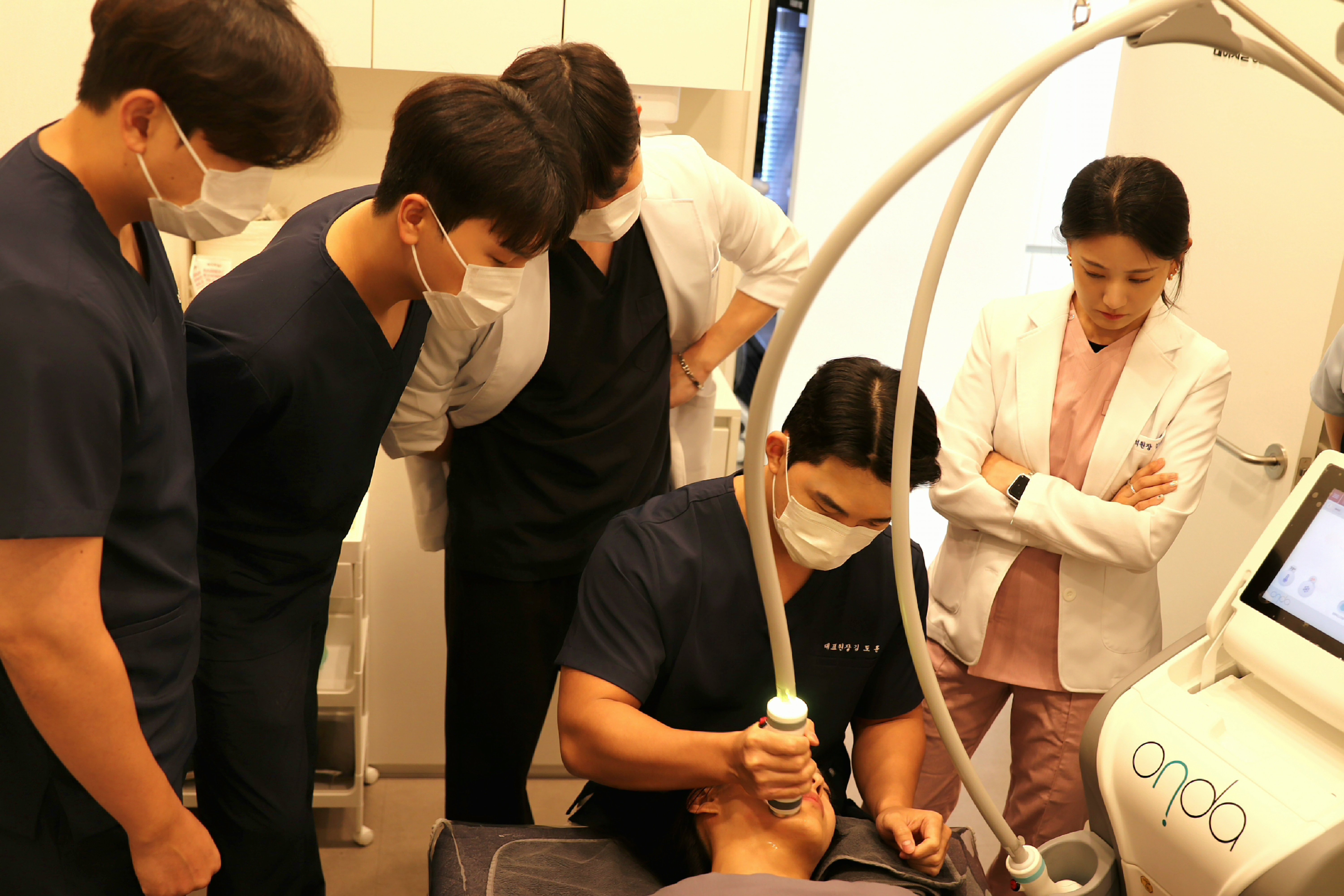
A consultation should also clarify what the patient expects from treatment and what changes they hope to address. The doctor can then explain how XERF relates to those goals and whether another lifting or tightening option should be considered. At Ode Clinic, the available equipment includes XERF, Ultherapy, Thermage, EMFACE, Density, Onda, Shurink, and Mirajet. This range provides options for discussion; it does not mean every patient needs multiple procedures. A useful comparison is one that connects the treatment choice to the individual concern, rather than treating device selection as a one-size-fits-all decision.
It is also reasonable to ask how the treatment plan will be reviewed after a procedure. Ode Clinic describes using before-and-after diagnostic imaging and follow-up consultations to assess changes. Such comparisons can help make the discussion more objective, while recognizing that individual responses differ. Patients can use the consultation to ask what the images can show, when a follow-up discussion is appropriate, and how the doctor will evaluate progress. The focus should remain on the patient’s condition and the agreed treatment goals, not on assuming that a particular device or protocol produces the same outcome for everyone.
Personalized XERF Treatment: Consultation and Planning
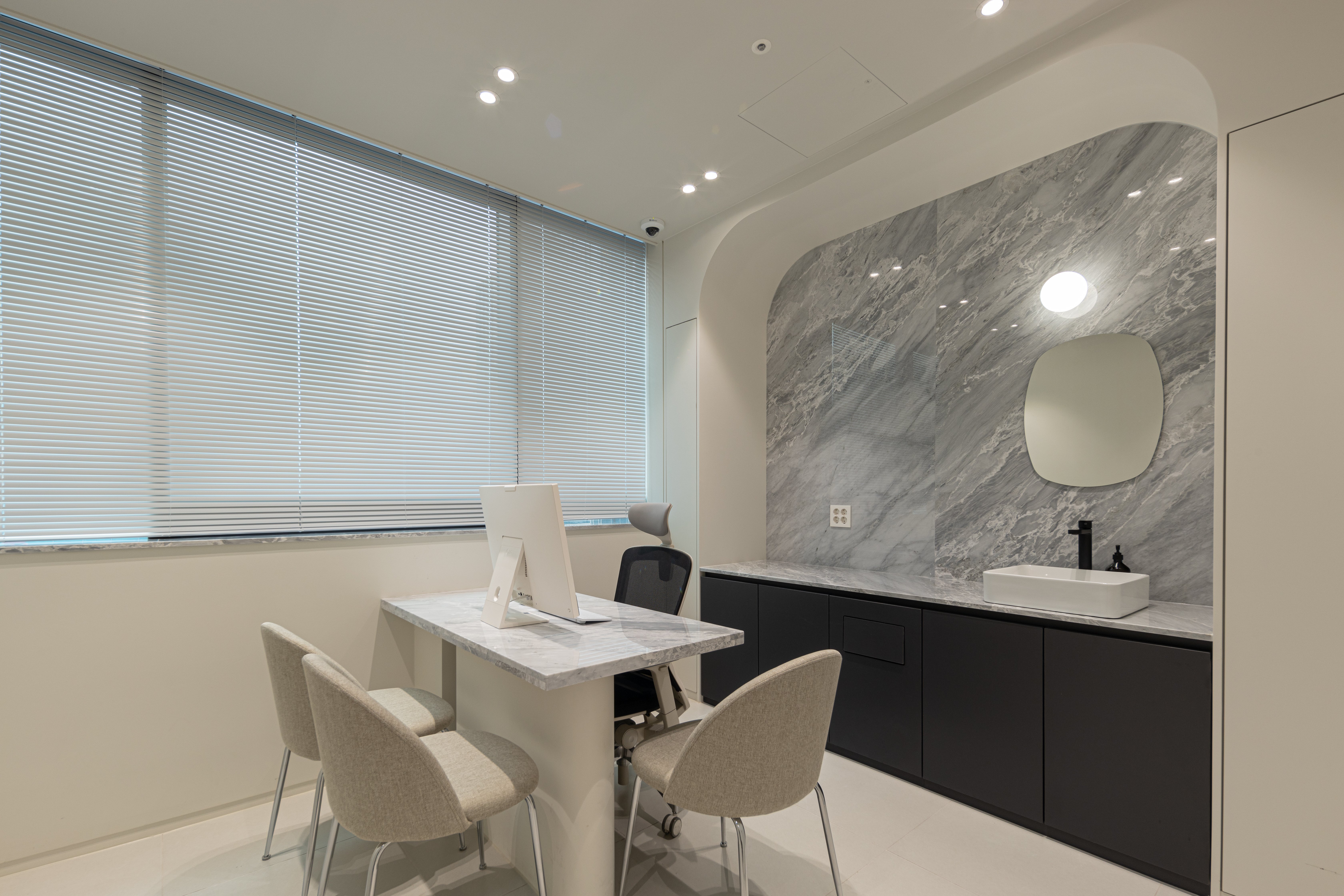
A personalized plan depends on a meaningful consultation before treatment. At Ode Clinic, the doctor who performs the procedure consults directly with the patient. This creates an opportunity to discuss concerns, review whether XERF fits the case, and consider other available options. The consultation is also the time to clarify what the treatment involves, how the protocol is delivered, and what follow-up may be appropriate. Choosing a treatment should be a shared decision informed by the patient’s goals and the doctor’s assessment.
What to discuss with the doctor
Patients can begin by describing the changes they have noticed and the areas that concern them most. It can also help to explain which outcomes matter most, such as addressing visible sagging or improving the appearance of skin elasticity. Clear priorities make it easier to discuss whether XERF is relevant.
Questions about the treatment itself are equally important. Patients may ask how the DEEP MODE protocol is used, why it is being considered for their case, and what the doctor expects the treatment to address. If another option may be more appropriate, it is useful to ask how that option differs in purpose. The medical staff at Ode Clinic provide direct consultation and can discuss available lifting and tightening devices. A well-informed choice comes from understanding the proposed plan, not from selecting a device before the consultation. Patients should also mention relevant health information and prior procedures so the doctor can consider these details when assessing the treatment plan.
Consultation is where the patient’s goals and the treatment approach are brought together. Asking about the protocol, alternatives, and follow-up helps make the decision clearer and more individual.
How the XERF protocol informs the plan
Ode Clinic uses XERF in DEEP MODE, combining 6.78 MHz and 2 MHz radiofrequency. The protocol is intended to deliver energy to deeper layers, and treatment involves cooling. These technical details are part of the discussion about how XERF is performed.
Personalizing a plan does not mean changing the stated protocol into a different mode for each patient. At Ode Clinic, the clinic’s XERF approach is DEEP MODE-only. Individualization instead comes through the medical assessment and the decision about whether the protocol suits the patient’s concerns. The consultation should establish the treatment areas and goals and address any questions about the procedure. Because DEEP MODE takes longer than other modes, patients can ask how that affects their appointment and what to expect during treatment. Technical details matter most when they are explained in the context of a specific patient’s plan. The doctor can also discuss whether another available procedure should be considered instead of, or alongside, XERF.
Using a step-by-step consultation process
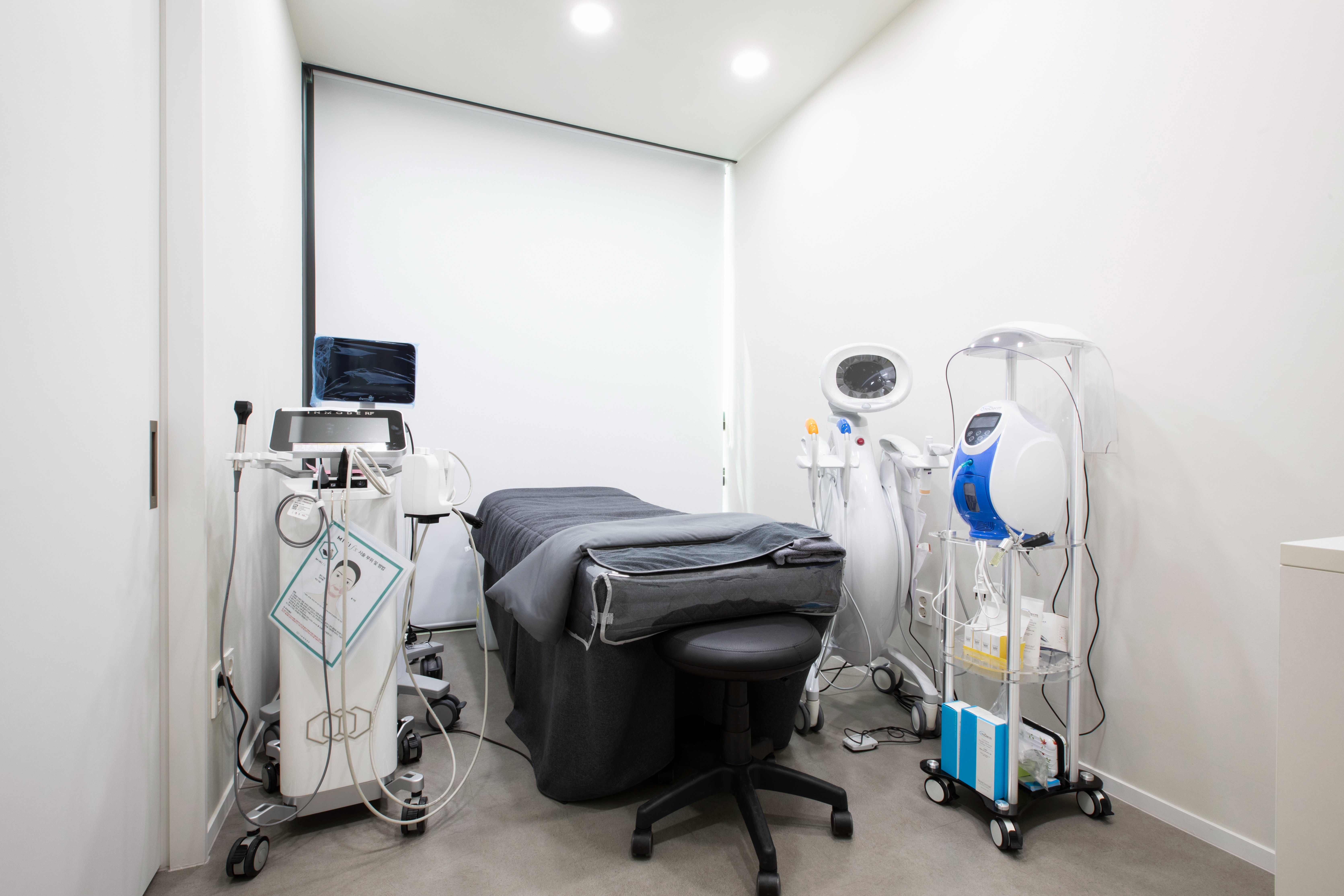
A structured process helps patients understand how decisions are made. Ode Clinic describes a sequence that includes arrival, one-to-one consultation and design, a further consultation, a private-room procedure, customized care, and departure. This gives patients a framework for asking when the treatment plan is confirmed.
For a patient considering XERF, the important point is that consultation and design come before the procedure. That is when the patient can explain their priorities and hear how the doctor proposes to address them. A further consultation provides another opportunity to clarify the plan. Patients should feel able to ask about the purpose of the treatment, the protocol, and what care is recommended afterward. A private treatment room is part of the clinic’s process. Having a clear sequence can make the decision easier to follow, but it does not replace a medical assessment or guarantee a specific response. Individual changes may differ, so expectations should be discussed with the doctor.
Before proceeding, patients can summarize what they understand: the concern being treated, why XERF is being considered, and how the DEEP MODE protocol fits the plan. If any part remains unclear, asking for an explanation during consultation is appropriate. A treatment decision does not need to be rushed. The aim is to leave with a clear understanding of the proposed approach and the next steps, whether the patient chooses XERF or discusses another option. This kind of preparation supports an informed conversation and helps keep the decision centered on the individual’s needs.
Personalized XERF Treatment: Expectations and Practical Details
A thoughtful comparison considers not only the procedure but also the patient’s expectations, appointment planning, and follow-up. Ode Clinic’s XERF protocol uses DEEP MODE and is described as taking longer than other modes. The clinic’s stated treatment horizons distinguish lifting from elasticity changes, but an individual’s response can vary. Discussing these points before treatment helps patients understand what is planned and how progress may be reviewed. Clear expectations are part of personalization, not an optional extra.
What to expect from the treatment timeline
Ode Clinic describes lifting changes from XERF within a six-to-twelve-month horizon and elasticity changes over two or more years. These are treatment horizons, not a promise that every patient will experience the same duration or degree of change. Individual condition and response matter.
The DEEP MODE protocol takes longer than other modes, so patients should include appointment duration in their planning and ask the clinic about the expected schedule for their visit. The doctor can explain how the treatment plan relates to the patient’s goals and what follow-up is appropriate. A discussion of timeline should distinguish between the treatment session itself and changes that may develop afterward. Do not interpret a general treatment horizon as a guaranteed personal result. It is more useful to ask what changes the doctor will assess and when a follow-up conversation should take place. Any treatment decision should account for the patient’s expectations and the medical assessment.
Timeline information can help patients plan, but it should not be treated as a personal guarantee. The doctor can explain how the stated XERF horizons relate to the individual case and how follow-up will be approached.
How follow-up supports an informed assessment
Follow-up provides an opportunity to discuss the patient’s experience and review changes after treatment. Ode Clinic describes using diagnostic images for before-and-after comparisons and offering follow-up consultations. Patients can ask how those images will be used and what aspects of change the doctor will review.
Comparing images may help make an assessment more objective than relying only on memory, but photographs do not capture every aspect of a patient’s experience. It is useful to tell the doctor about any changes or concerns noticed after the procedure. The medical staff can then discuss whether the observations are consistent with the plan and what next steps, if any, are appropriate. Follow-up should remain focused on the individual’s condition and goals rather than on a standard expectation for every patient. Good follow-up keeps the conversation open before and after treatment. Patients should ask during consultation when to arrange a review and what information would be helpful to share.
Preparing for an appointment at Ode Clinic
Before visiting, patients can note their main concerns, the areas they want to discuss, and any questions about XERF or other treatment options. Sharing relevant health information and details of previous procedures gives the doctor useful context for the consultation.
It is also helpful to arrive ready to discuss expectations. Patients can ask how the DEEP MODE protocol works, how long the appointment may take, what follow-up is recommended, and whether another option should be considered. Ode Clinic is located at 8F, 340 Gangnam-daero, Gangnam District, Seoul. The clinic’s hours are Monday to Friday, 11:30 AM to 8:30 PM, and Saturday to Sunday, 10:00 AM to 4:00 PM, with no lunch break. For appointment inquiries, call +82 2-569-0222.
Once the consultation is complete, the patient should understand the proposed approach and have a chance to consider it. A personalized recommendation is not a commitment to proceed; it is a basis for an informed decision. If XERF is selected, the plan should reflect the doctor’s assessment and the patient’s stated goals. If another treatment is discussed, patients can compare its purpose and practical details before choosing. The most useful outcome of the consultation is clarity about the options and the reasons behind the recommendation. This supports a decision based on the individual case rather than a preset assumption.



Clinic Information
| Clinic | Ode Clinic |
|---|---|
| Specialty | Dermatology |
| Address | Seoul, Gangnam District, Gangnam-daero, 340 8F |
| Phone | +82 2-569-0222 |
| Website | https://odeclinicseoul.com/en |
 Ode Clinic